AI Is Already in Your Drone
If you have flown a DJI drone in the past three years, you have used AI. Obstacle avoidance uses machine learning to interpret sensor data in real-time. ActiveTrack uses computer vision to identify and follow subjects. Hyperlapse mode uses AI to stabilise and stitch hundreds of frames into smooth timelapse sequences. These features are so well integrated that most pilots do not think of them as AI. They just work.
But the AI capabilities entering the drone and photography space now go far beyond in-flight automation. Post-production tools, content analysis, automated editing, and intelligent scene recognition are changing how aerial content gets processed, delivered, and used. The operators who understand these tools will deliver more value in less time. Those who ignore them will fall behind.
AI in Post-Production: Speed Without Sacrificing Quality
Adobe's AI tools in Lightroom and Photoshop have already transformed still image processing. Automated sky replacement, subject masking, noise reduction, and content-aware fill are faster and more accurate than manual techniques. For high-volume work like real estate photography, these tools cut processing time dramatically while maintaining consistent quality across hundreds of images.
Video post-production is following the same trajectory. AI-powered colour grading tools can match footage from different cameras and different lighting conditions in seconds. Automated audio enhancement cleans up wind noise and rotor hum from aerial video, a task that previously required expensive specialised plugins and significant manual work. Intelligent upscaling algorithms can enhance older footage to match current resolution standards.
We use AI tools as accelerators, not replacements. They handle the repetitive technical tasks, freeing us to focus on the creative decisions that define the final product. The colour grade that tells the story. The edit rhythm that holds attention. The composition choices that distinguish professional work from automated output. AI does the heavy lifting. Human creativity provides the direction.
AI-Powered Flight Planning and Data Analysis
For commercial operations like surveying, inspection, and mapping, AI is transforming how drone data gets processed and interpreted. Photogrammetry software now uses machine learning to improve 3D model accuracy, automate feature detection, and identify anomalies in structural inspections. A crack in a concrete structure that a human might miss in thousands of images gets flagged automatically by AI analysis.
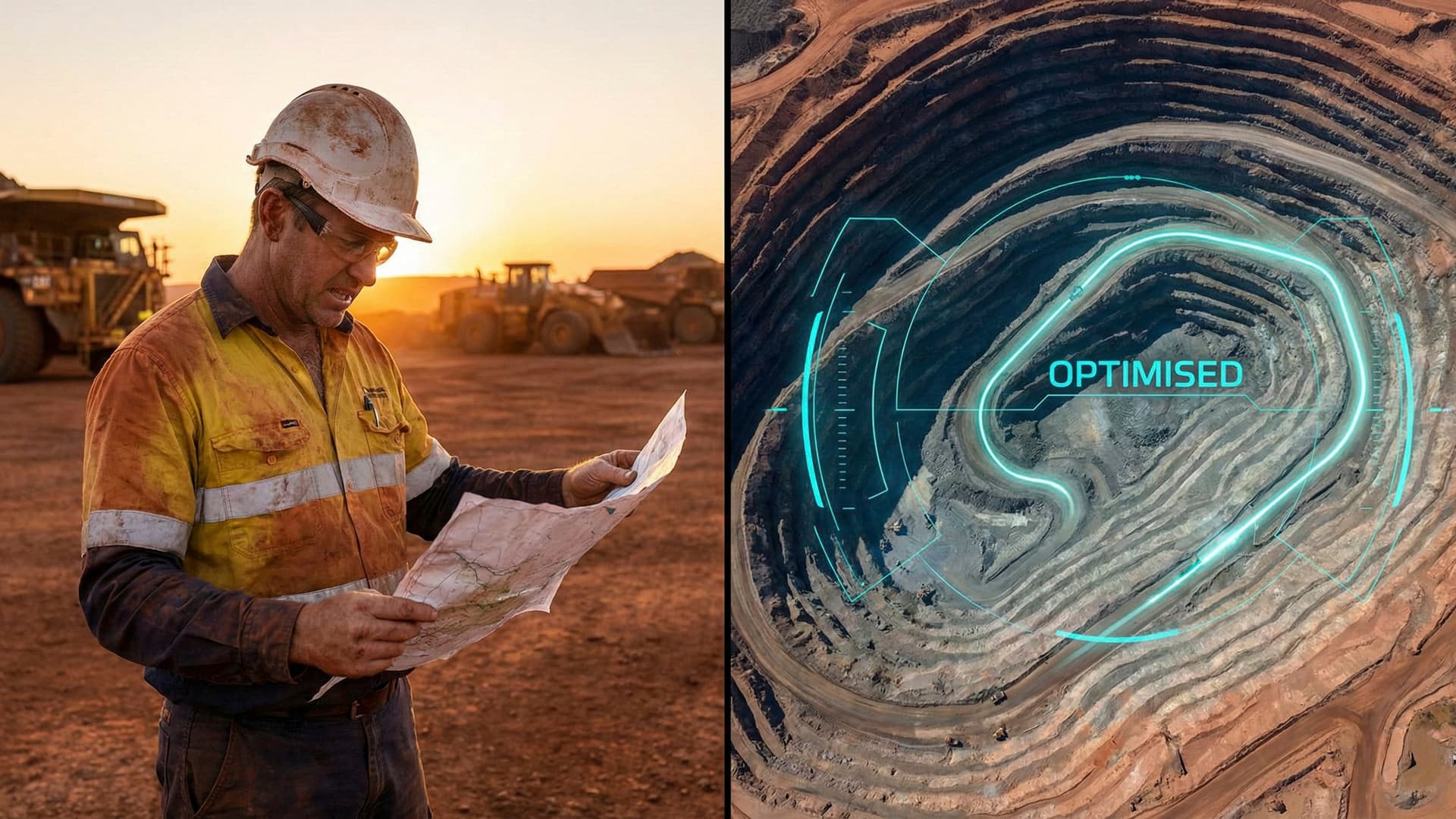
Flight planning tools are becoming smarter. AI algorithms can optimise flight paths based on terrain, lighting conditions, and coverage requirements, reducing flight time and battery consumption while improving data quality. For mining survey operations, this optimisation translates directly to cost savings and faster turnaround.
The Creative Boundary: What AI Cannot Do
AI can process, enhance, and automate. It cannot conceptualise. The decision to fly at golden hour because the long shadows create dramatic texture across a landscape is a human insight. The choice to approach a vessel from water level and rise to reveal the dock behind it is a storytelling decision that requires understanding of narrative structure, client objectives, and audience psychology.
Generative AI tools that create images from text prompts are impressive technically but irrelevant to commercial aerial photography. Clients hire us because they need real imagery of real assets, operations, and locations. An AI-generated image of a mine site has zero value for compliance documentation, marketing materials, or stakeholder reports. Authenticity is not optional in our work.
Preparing for the AI-Enhanced Future
The operators who will thrive are those who treat AI as a tool in their workflow, not a threat to their existence. Learn the tools. Integrate them into your process where they add value. Invest the time savings into higher-quality creative work. And maintain the skills that AI cannot replicate: creative vision, client relationships, safety expertise, and industry knowledge.
For a deeper exploration of how AI intersects with human creativity in aerial photography, read our article on whether AI can replace human pilots. To see AI-enhanced aerial content in action, explore our portfolio or discuss your project with our team.