The Question Everyone Is Asking
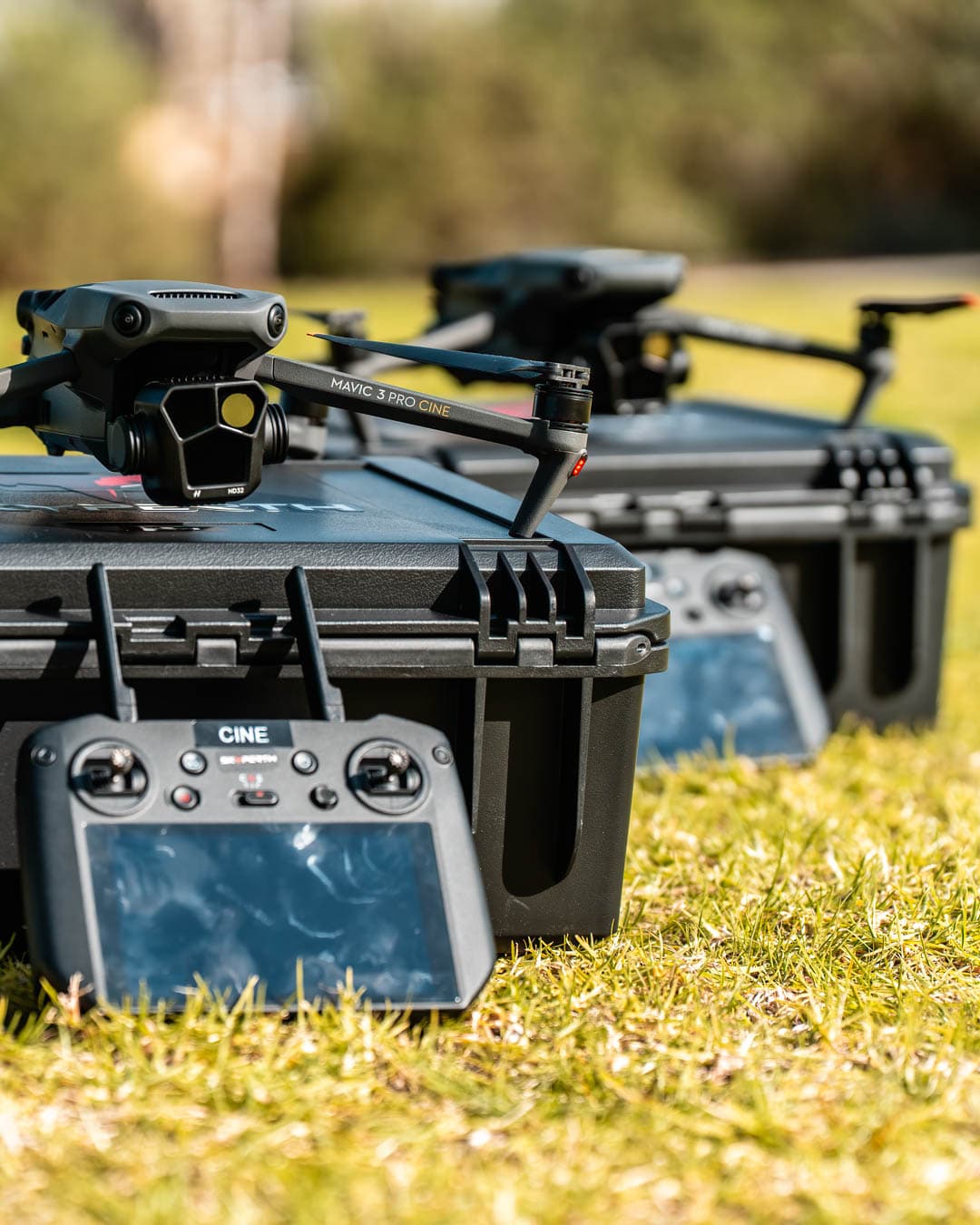
As AI capabilities expand into every corner of technology, the question is inevitable. Will AI replace human drone pilots? For automated survey work, infrastructure inspection, and repetitive monitoring tasks, the answer is trending toward yes. For creative aerial photography and cinematography, the answer is no. Not because the technology cannot fly. It already can. But because flying is not the valuable part of creative work.
The distinction is important. Autonomous flight systems are excellent at following predetermined paths, maintaining precise positions, and repeating identical missions. These capabilities make them ideal for tasks where consistency, coverage, and data collection are the priorities. But creative aerial photography requires something fundamentally different: vision.
What AI Does Well
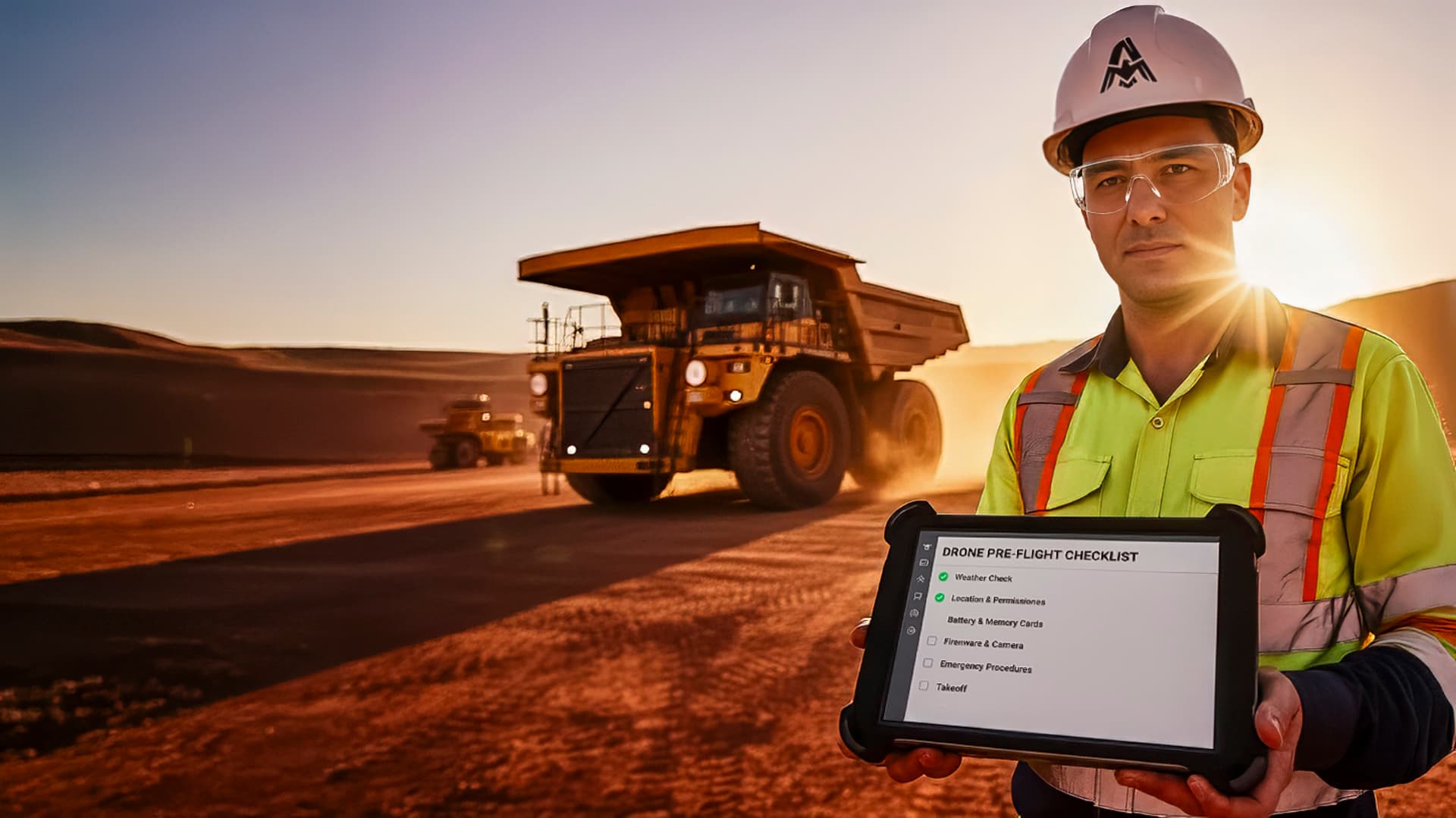
AI-powered drone systems excel at structured, repeatable tasks. Automated survey flights cover precise grid patterns with consistent overlap for photogrammetry processing. Inspection routines follow predetermined paths around structures, capturing standardised imagery for analysis. Monitoring missions repeat identical flights at scheduled intervals to detect changes over time.
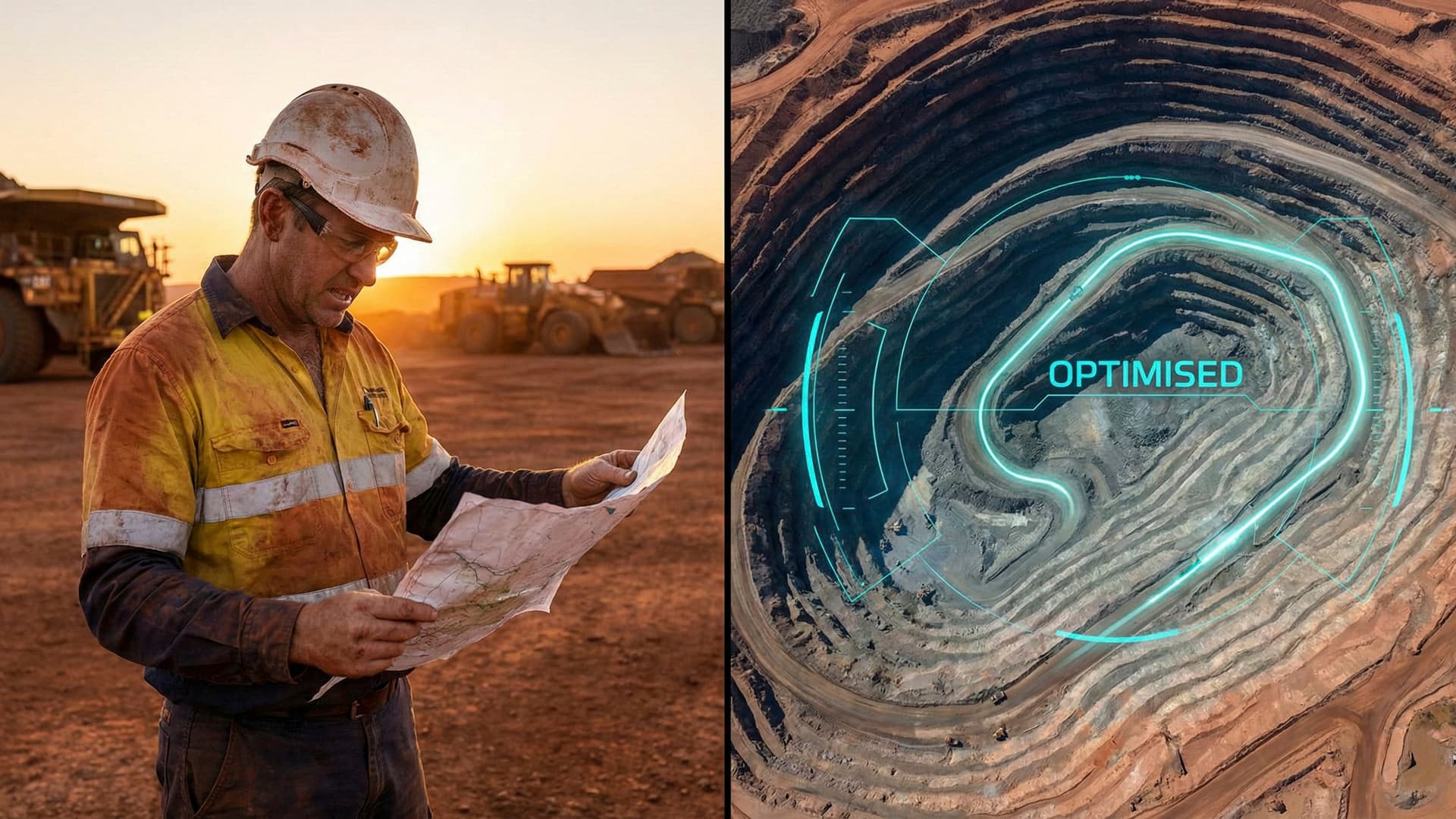
For these applications, AI offers significant advantages over human pilots. No fatigue. No inconsistency between flights. No risk from human error in repetitive tasks. The system executes the mission identically every time, which is exactly what data collection applications require. Mining survey operations and infrastructure inspection programs are already transitioning to automated or semi-automated systems.
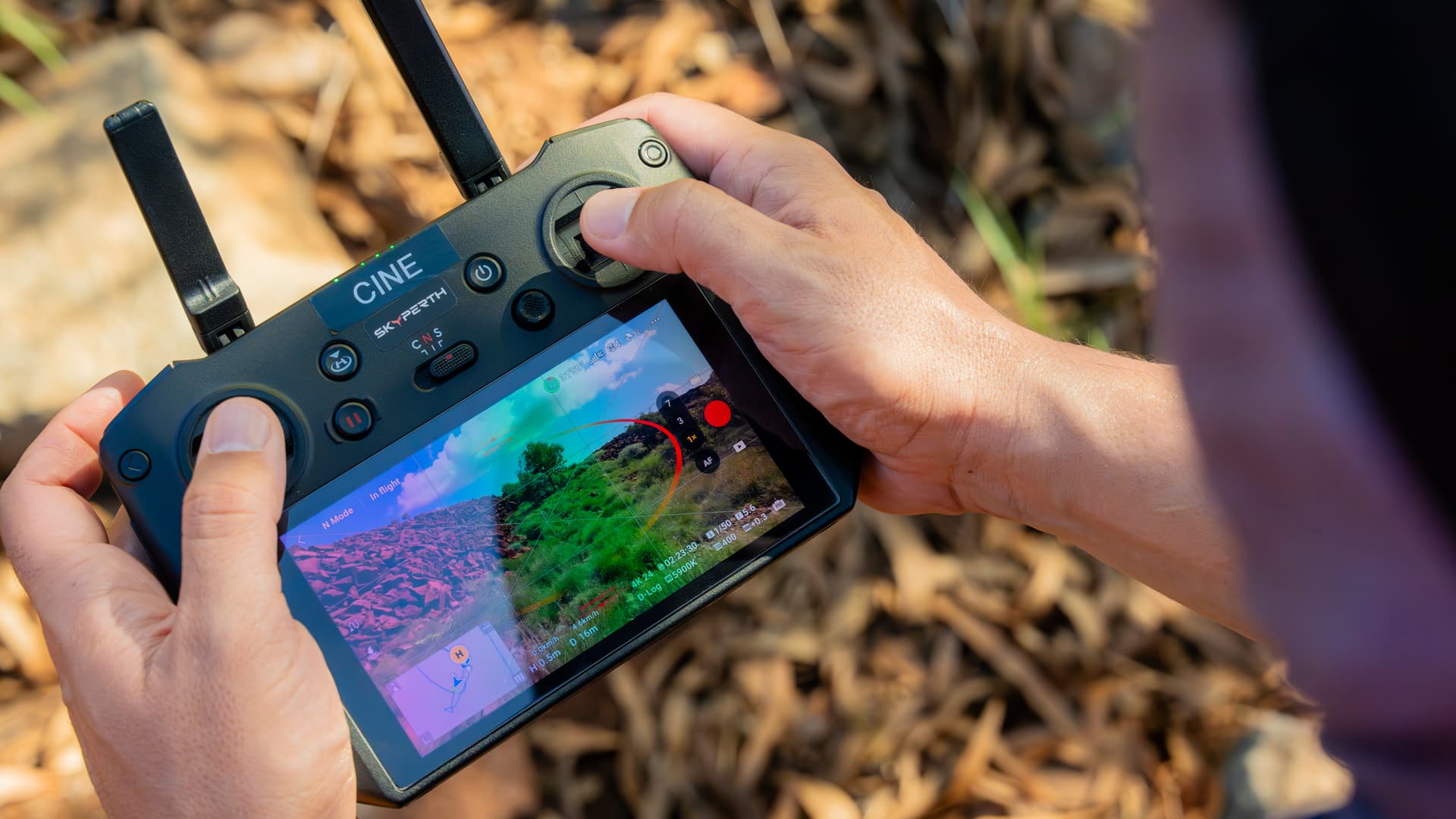
AI subject tracking, intelligent exposure management, and automated obstacle avoidance also enhance human-piloted operations. These tools make good pilots more productive and reduce the technical burden of flight management, freeing the operator to focus on composition and timing.
What AI Cannot Do
AI cannot see a scene and feel something. It cannot recognise that the way the morning light catches the bow wave of a ship is the shot that will define the entire project. It cannot sense that the client's brand personality calls for slow, contemplative camera movement rather than dynamic energy. It cannot improvise when conditions change and the planned shot is impossible but something better is available.
Creative aerial photography is a series of rapid, intuitive decisions informed by years of experience, understanding of visual storytelling, and empathy with the client's objectives. The decision to fly at 30 metres rather than 100 metres for a particular property. The choice to orbit clockwise rather than counter-clockwise because the shadow falls differently. The instinct to hold a shot two seconds longer because the timing feels right for the edit. These are human judgments.
Our work with maritime clients illustrates this perfectly. Every vessel launch is unique. The light, the weather, the timing, the crowd dynamics. An AI system following a pre-programmed flight path would capture adequate documentation. A human pilot reading the moment captures something extraordinary. That difference is what clients pay for.
The Hybrid Future
The future is not AI versus humans. It is AI plus humans. Autonomous systems will handle the repetitive, data-driven tasks more efficiently than human pilots can. Human operators will focus on the creative, strategic, and relationship-driven aspects of aerial services that AI cannot replicate. The most successful operators will be those who embrace AI tools while continuing to develop their uniquely human skills.
This means investing in creative development, not just technical skills. Study cinematography. Understand storytelling. Build client relationships. Develop industry expertise. These are the competencies that will remain valuable regardless of how autonomous flight technology evolves.
Our Position
We use AI tools extensively. Automated flight planning, intelligent tracking, AI-enhanced post-production. These tools make our work more efficient and more consistent. But the creative decisions, the strategic thinking, and the client relationships that define our output are irreplaceably human. That combination of technological capability and human creativity is what we deliver to every client. Explore our portfolio to see the difference, or get in touch to discuss your project.