Autonomous Flight Is Already Here
When people hear "autonomous drones," they imagine science fiction. Fully independent aircraft making decisions, navigating complex environments, and completing missions without human involvement. The reality is both less dramatic and more practical. Autonomous capabilities already exist in every modern commercial drone, and they are getting smarter with each firmware update.
Waypoint missions, automated survey patterns, return-to-home functions, and intelligent subject tracking are all forms of autonomy. The drone executes complex tasks based on pre-programmed instructions and real-time sensor data. The pilot supervises rather than controls every movement. This shift from manual control to supervisory oversight is the defining trend in commercial drone operations.
AI Decision-Making in Flight
Modern drones use AI to make thousands of decisions per second. Obstacle avoidance systems process sensor data from cameras, infrared sensors, and radar to identify threats and calculate evasion paths. Flight controllers adjust motor speeds hundreds of times per second to maintain stability in turbulent conditions. Battery management systems predict remaining flight time based on current consumption patterns and environmental factors.
The next generation of autonomous systems will extend this decision-making to mission-level choices. Instead of following a pre-programmed waypoint path, an autonomous drone could assess a construction site in real-time, identify areas of change since the last survey, and adjust its flight path to capture detailed imagery of those specific areas. The drone becomes an intelligent data collection agent rather than a remote-controlled camera platform.
For inspection applications, AI-equipped drones can already identify specific defect types during flight. Cracks in concrete, corrosion on metal structures, vegetation encroachment on power lines. The AI flags these anomalies in real-time, allowing the operator to investigate immediately or prioritise follow-up inspection. This capability transforms drone inspection from "capture everything and analyse later" to "identify and respond in the moment."
Applications Across Industries
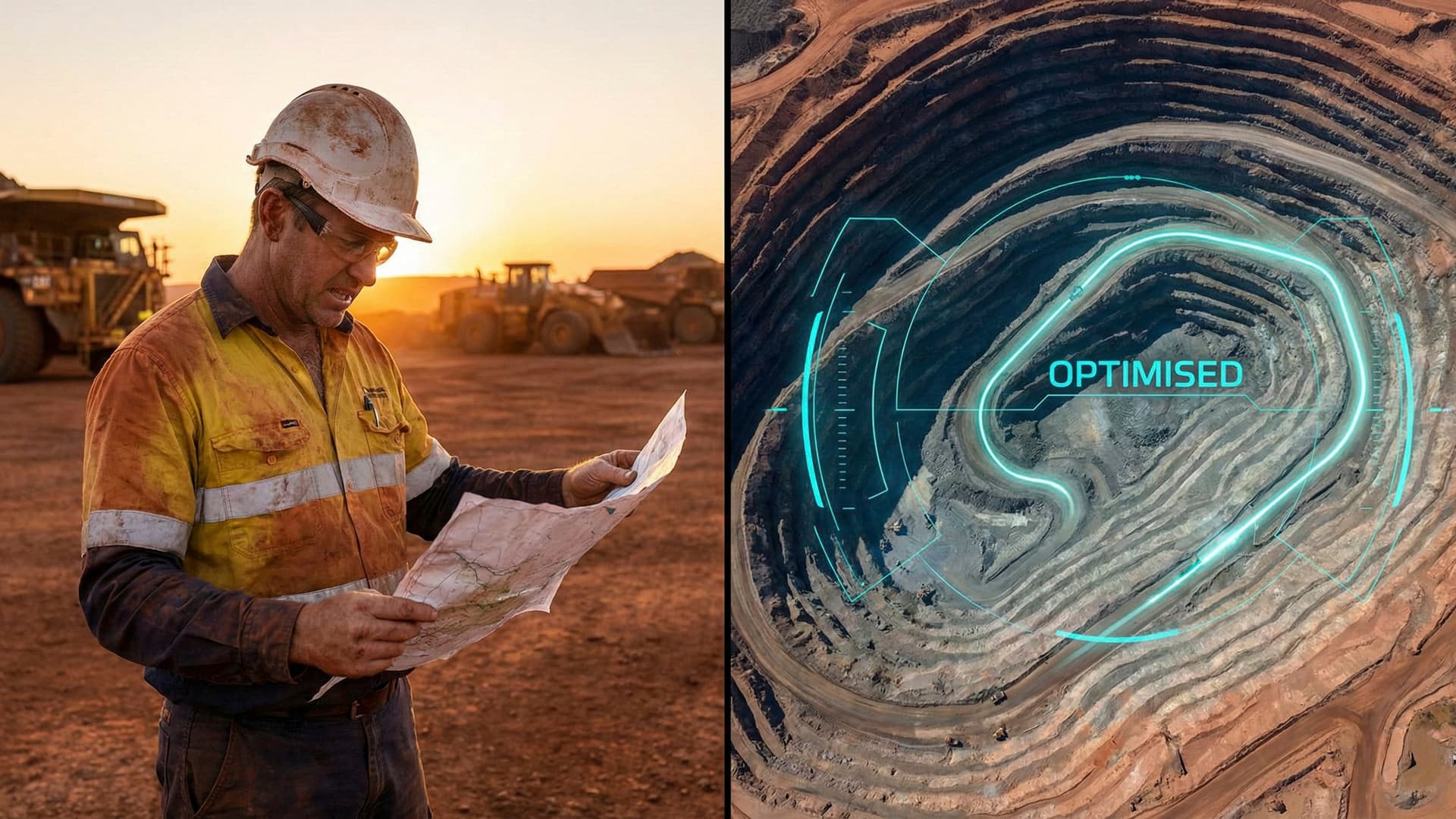
In mining, autonomous drones are used for regular site surveys without requiring a pilot on-site. DJI's Dock systems enable fully automated missions where the drone launches from a charging station, completes a pre-programmed survey, returns, lands, recharges, and repeats. A remote operator in an office hundreds of kilometres away monitors the operation and can intervene if needed.
Agriculture has embraced autonomous drone spraying. AI-driven systems adjust chemical application rates based on crop health data captured by multispectral cameras. Healthy sections receive less treatment. Stressed areas receive targeted application. This precision reduces chemical use, lowers costs, and improves environmental outcomes.
Emergency services are exploring autonomous first-responder drones that launch automatically when an emergency call is received. These drones can arrive at the scene faster than ground units, providing live video to dispatchers and delivering critical supplies like defibrillators or flotation devices. Several pilot programs are running globally, and the results are promising.
The Human Role in Autonomous Operations
Autonomy does not eliminate the need for skilled operators. It changes their role. Instead of flying the drone manually, operators design missions, monitor performance, interpret data, and make strategic decisions that the AI is not equipped to handle. The value shifts from stick-and-throttle skills to system management, data analysis, and operational judgment.
For creative applications, the human role remains central. An autonomous drone can fly a technically perfect orbit around a building. But choosing the altitude, time of day, speed, and camera angle that tells a compelling story requires human creative judgment. AI can optimise execution. It cannot replace vision. Read more about this balance in our article on AI versus human pilots.
Preparing for the Autonomous Future
Operators who want to remain relevant as autonomy increases need to invest in skills beyond flying. Data analysis, AI system management, regulatory compliance, and strategic consulting are the competencies that will define the next generation of drone professionals. The pilots who evolve into operations managers and data specialists will thrive. Those who define their value solely by their ability to fly will find their role increasingly automated.
Explore our services to see how we integrate autonomous capabilities into our current operations, or get in touch to discuss how AI-enhanced aerial operations can serve your business needs.