Choosing the Right Drone for Your Photography Goals
Not every drone is built for photography. Some are racing machines. Others are industrial workhorses designed for surveying or inspection. If your goal is to capture stunning aerial images, the sensor, lens quality, and stabilisation system matter far more than top speed or payload capacity.
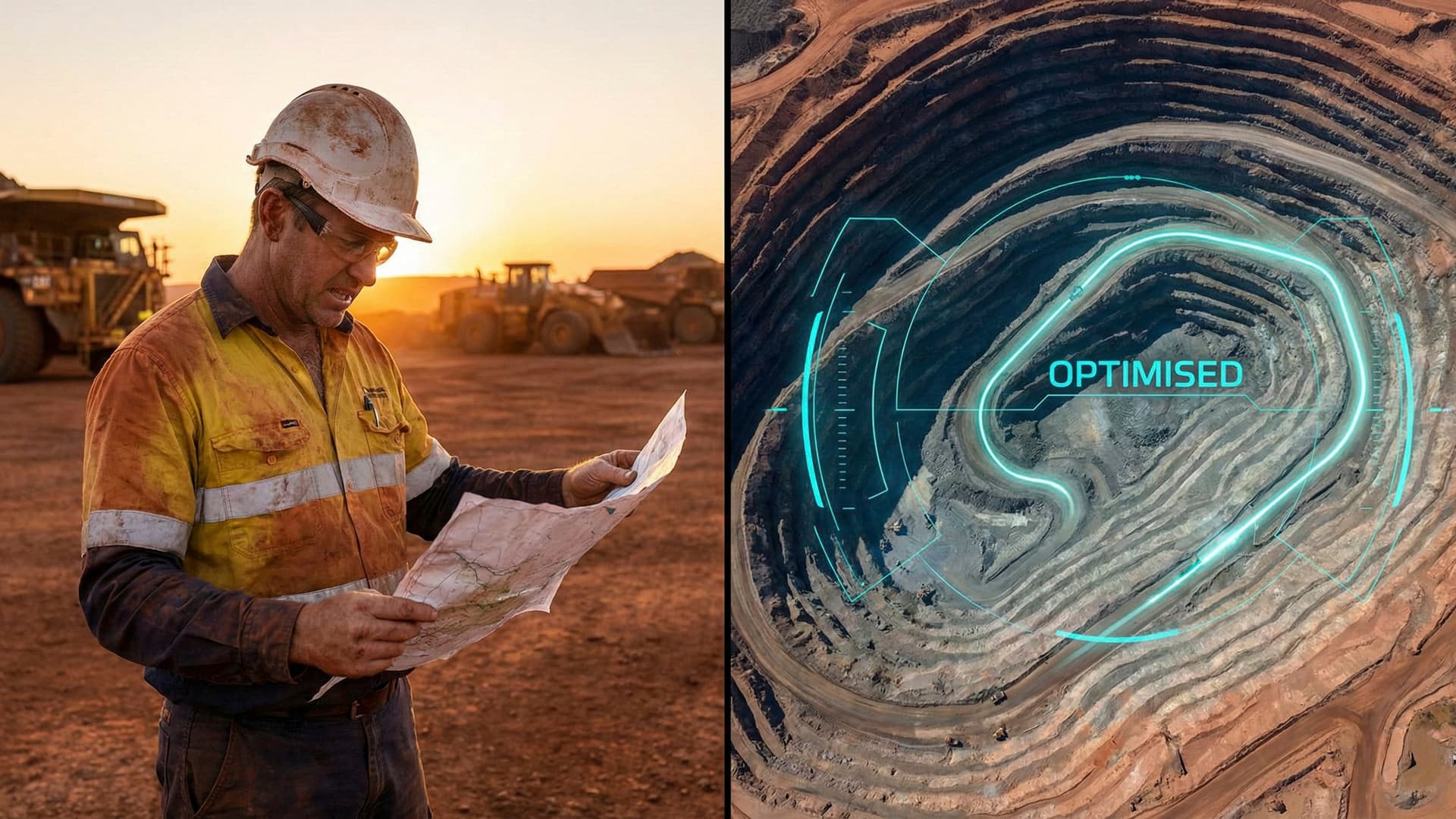
After nine years flying professionally and testing nearly every platform on the market, I have a clear perspective on what works. The "best" drone depends entirely on what you are shooting, where you are shooting it, and what you plan to do with the images. A real estate photographer in the suburbs has different needs to someone documenting a remote mining operation in the Pilbara.
This guide covers the full range, from entry-level options under $1,000 to the professional cinema platforms we use on commercial shoots for clients like Austal Ships and Tourism Australia.
Entry-Level: DJI Mini 4 Pro
The DJI Mini 4 Pro sits in a unique position. At under 249 grams, it falls below the CASA registration threshold for recreational flyers in Australia. That makes it the easiest drone to get airborne legally. But do not mistake "small" for "limited." The 1/1.3-inch sensor captures 48MP stills and 4K/60fps video with genuine dynamic range.
For hobbyists and content creators who want aerial perspectives without a significant investment, the Mini 4 Pro is hard to beat. The tri-directional obstacle sensing keeps beginners out of trouble, and the battery life of around 34 minutes gives you plenty of time per flight. Just remember that wind tolerance drops with weight. Anything above 30 km/h gusts and this drone struggles to hold position.
If you are considering turning aerial photography into a business, this is a solid training platform. But you will outgrow it once clients start asking for RAW files and high-bitrate video.
Mid-Range: DJI Air 3 and Mavic 3 Classic
The DJI Air 3 introduced dual cameras, giving you both a wide-angle and a 3x telephoto lens. That matters more than most people realise. Telephoto compression from altitude creates a cinematic look that wide-angle shots simply cannot replicate. For real estate, tourism, and event work, the Air 3 delivers professional results at a mid-range price.
The Mavic 3 Classic steps up with a 4/3 CMOS Hasselblad sensor. Larger sensor means better low-light performance, more colour data, and cleaner shadows. If you are shooting golden hour landscapes or twilight real estate exteriors, the difference is visible. This is the drone I recommend to operators who are building a commercial portfolio and want images that stand apart from the competition.
Both platforms support D-Log colour profiles, which gives you flexibility in post-production. If you are grading footage alongside ground-based cinema cameras, that colour science matters. Check out our case studies to see what properly graded aerial footage looks like in a finished project.
Professional: DJI Inspire 3 and Mavic 3 Pro Cine
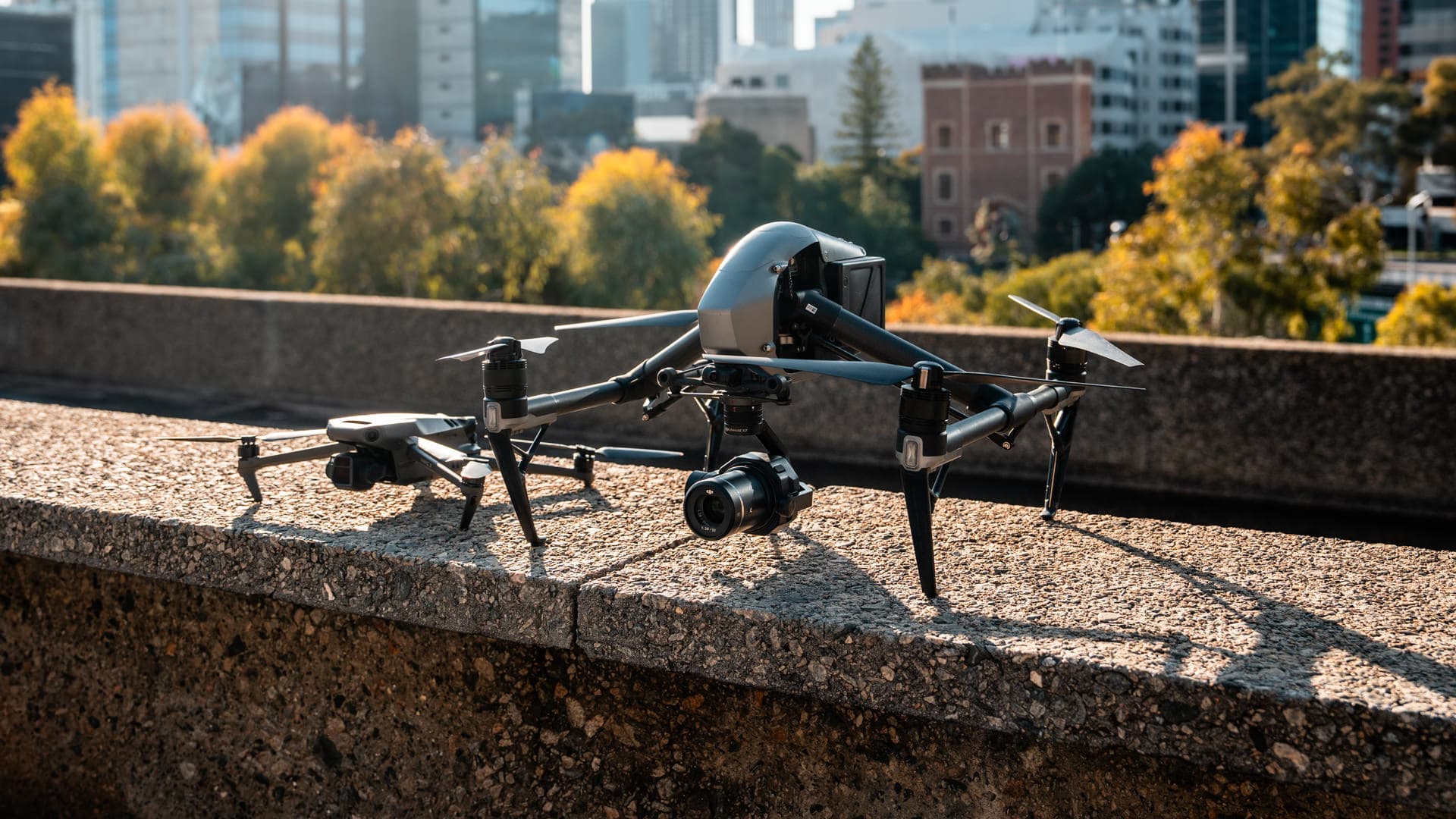
For commercial cinematography, the DJI Inspire 3 remains the benchmark. The X9-8K gimbal camera shoots 8K CinemaDNG RAW at up to 75fps. Dual-operator mode lets a pilot focus on flying while a dedicated camera operator controls framing, focus, and exposure independently. On large-scale productions, this separation is not a luxury. It is a requirement.
We use the Inspire 3 on our maritime and industrial projects where image quality is non-negotiable. When Austal needs footage of a vessel launch for international marketing, the brief demands cinema-grade output. The Inspire delivers that. The trade-off is size, weight, and cost. This is not a throw-it-in-your-backpack drone. It requires a vehicle, a case, spare batteries, and a crew.
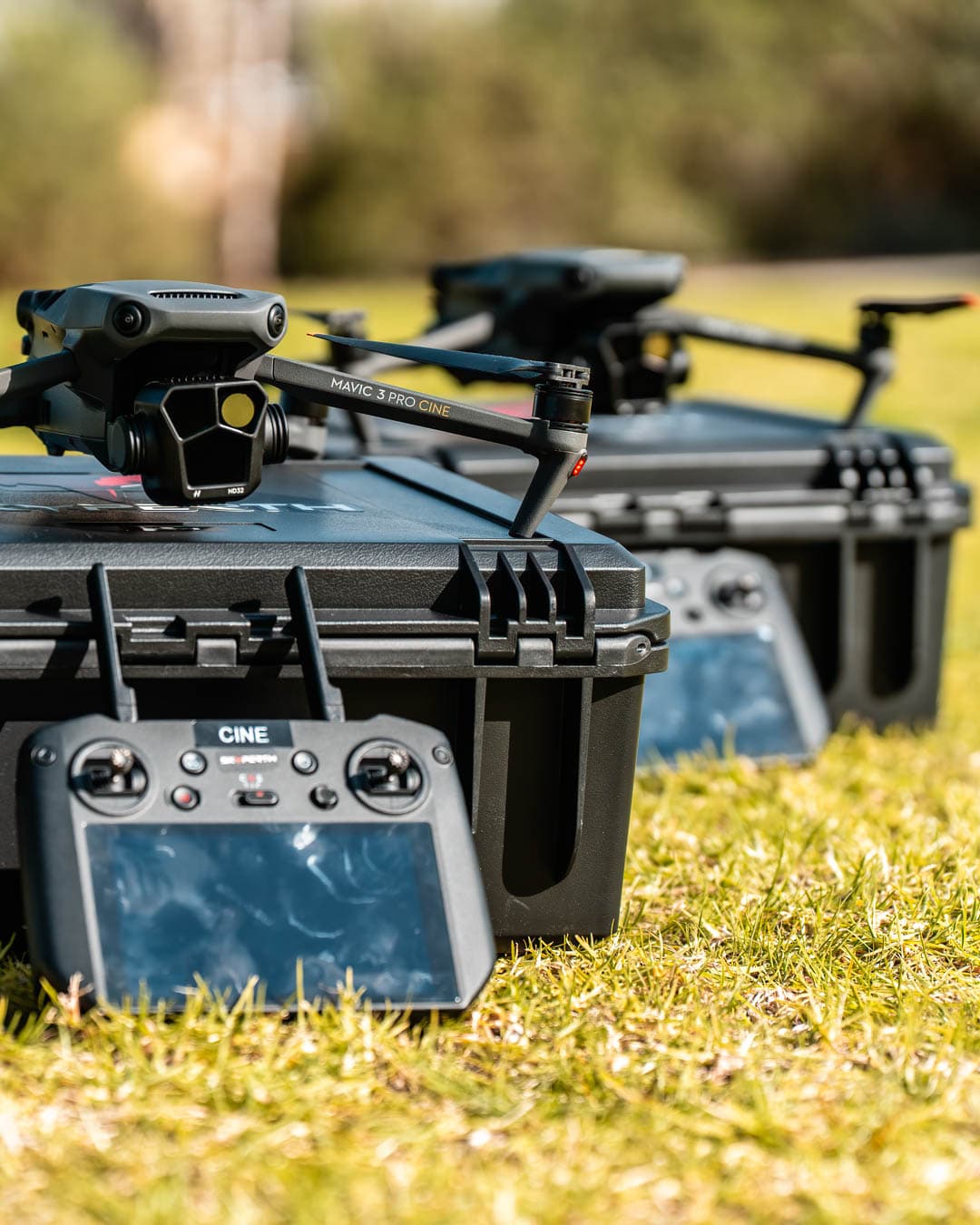
The Mavic 3 Pro Cine offers a middle ground. Three lenses (wide, medium telephoto, telephoto), ProRes 422 HQ internal recording, and a 1TB SSD built in. For solo operators who need professional output without the Inspire's logistical overhead, this is the sweet spot. I carry one on every shoot as a backup or B-camera.
What About FPV Drones?
First-person-view drones like the DJI Avata 2 create immersive, dynamic footage that traditional drones cannot match. Diving through buildings, chasing vehicles, threading through tight spaces. The cinematic potential is enormous. But FPV is a specialised skill. The learning curve is steep, crashes are frequent during training, and the camera sensors are smaller than dedicated photography platforms.
FPV works best as an addition to your toolkit, not a replacement. We use FPV shots as accent pieces within a larger edit. A 10-second dive through a shipyard mixed with Inspire 3 wide shots and ground-level gimbal work creates a multi-layered visual story. If you are just starting out, master a standard platform first before investing in FPV.
Making Your Decision
Start with your use case. Real estate and small business content? The Air 3 or Mavic 3 Classic will serve you well. Tourism, events, and mid-budget commercial work? The Mavic 3 Pro Cine gives you versatility without a massive investment. High-end cinema, maritime, mining, or broadcast? The Inspire 3 is the tool for the job.
Whatever you choose, remember that the pilot matters more than the platform. Understanding light, composition, and storytelling will make a $1,000 drone produce better results than an untrained operator with a $20,000 setup. If you are looking at building aerial content into your business strategy, get in touch to discuss what we can deliver with our fleet.
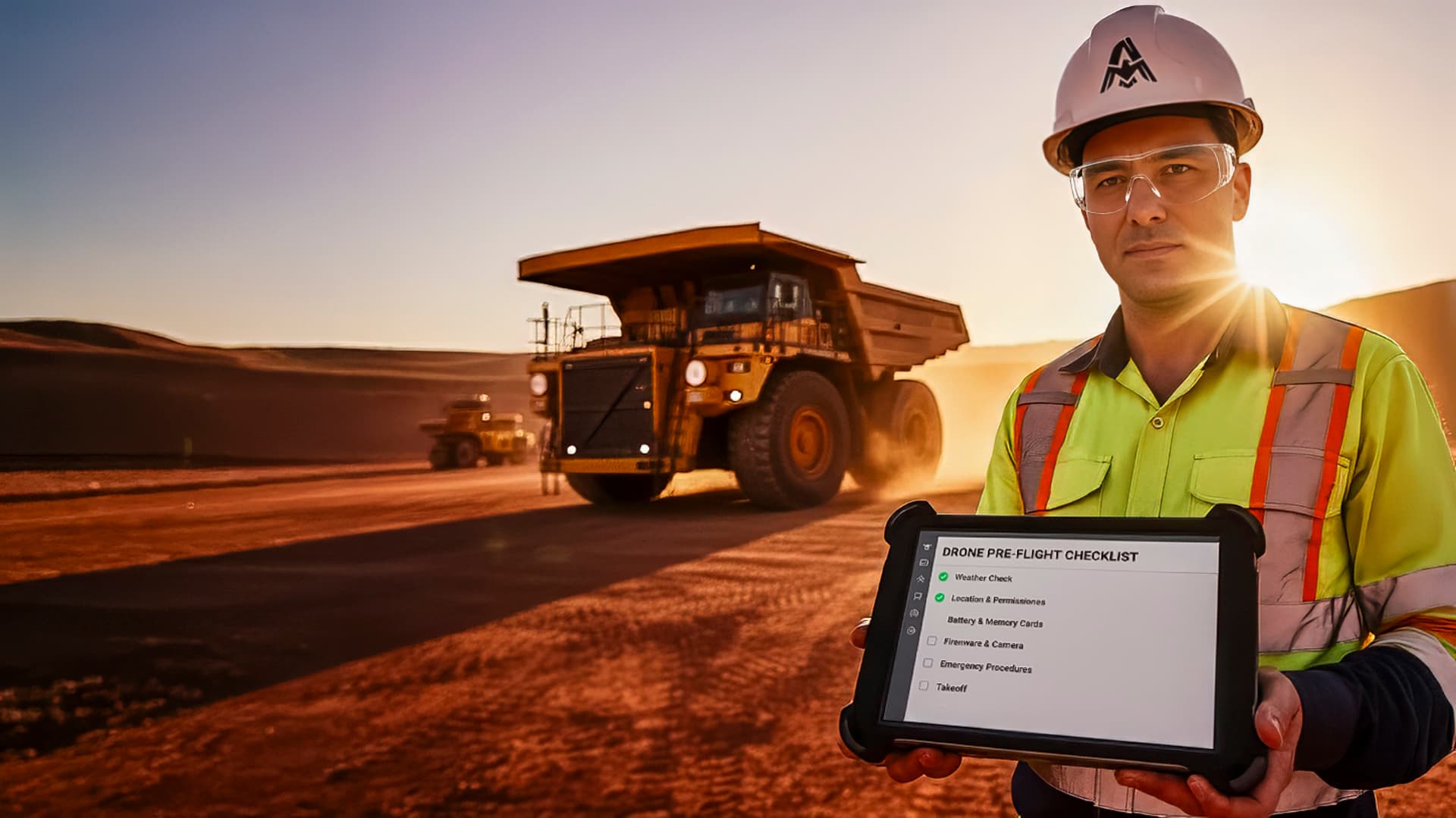
And one more thing. Always check your CASA obligations before you fly commercially. Certification is not optional if you are charging for the work. We cover this in detail in our article on why CASA certification matters.