Why We Are Drawn to the View from Above
Humans have always been fascinated by seeing the world from above. Ancient myths feature characters who fly. The first balloon flights drew enormous crowds. Window seats on aircraft are consistently preferred. This fascination is not arbitrary. Elevated perspectives satisfy a deep psychological need for orientation, understanding, and control. When we see our environment from above, we comprehend it differently. Patterns emerge. Relationships become clear. Scale becomes tangible.
Drone photography taps directly into this psychology. The images are inherently compelling because they show us something our ground-level experience cannot provide. A beach seen from the promenade is pleasant. The same beach seen from 80 metres, with its reef patterns, the gradient of water colour, and the curve of the coastline, triggers a different emotional response. It feels like a discovery, even when we know the place intimately.
The Power of Pattern Recognition
From altitude, the world resolves into patterns. Agricultural fields create geometric mosaics. Urban streets form grids and curves. Shorelines trace fractals. Human brains are wired to find patterns satisfying. We see order in complexity, and that recognition triggers a positive emotional response. This is why top-down aerial photographs of rice paddies, car parks, shipping containers, and suburban rooftops generate such strong engagement on social media.
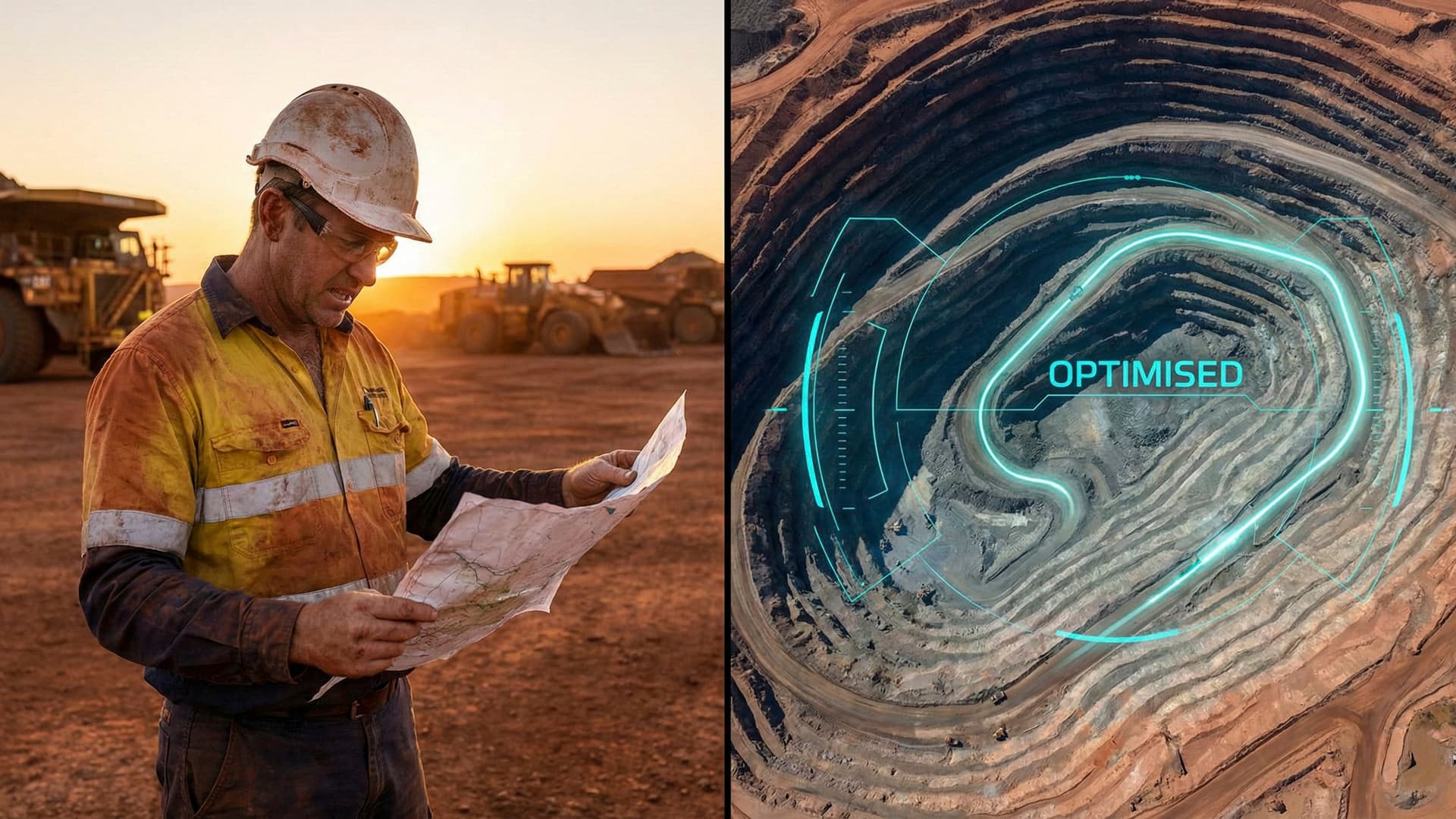
For commercial applications, this pattern effect has practical value. A mining operation seen from above reveals the logic of its layout, the efficiency of its design, the scale of its investment. That visual logic communicates competence and order to stakeholders, investors, and regulators without a single word of explanation. The image does the work.
Scale and Emotional Response
Aerial photography manipulates scale in ways that trigger specific emotional responses. Showing a person as a small figure in a vast landscape creates a sense of solitude, adventure, or insignificance depending on context. Showing a building project filling the frame from above communicates ambition and progress. Revealing a crowd filling a venue communicates popularity and energy.
These emotional responses are not accidental. Skilled aerial photographers and cinematographers use altitude, lens choice, and composition deliberately to create the psychological effect that serves the story. A tourism campaign wants viewers to feel desire and possibility. A construction update wants stakeholders to feel confidence and progress. A community event wants participants to feel pride and belonging. Each of these emotional outcomes can be achieved through specific aerial framing choices.
The Bird's Eye View and Decision Making
Research in environmental psychology suggests that aerial perspectives help people make better decisions about spaces. Urban planners, architects, and landscape designers have long used elevated perspectives to assess spatial relationships, traffic flow, and land use. Drone photography has democratised this capability, giving property buyers, business owners, and community groups access to perspectives that were previously available only through expensive helicopter flights or satellite imagery.
For mining and industrial clients, aerial documentation supports operational decision-making. Site managers who regularly review aerial imagery of their operations identify issues, inefficiencies, and opportunities that are invisible from ground level. The psychological shift from "walking the site" to "seeing the site" changes how people think about their operations.
Using Psychology in Your Aerial Content
Understanding why aerial images affect people helps you create more effective content. If your goal is to create desire (tourism, real estate), use warm light, human elements, and compositions that invite the viewer into the scene. If your goal is to communicate capability (industrial, maritime), use compositions that emphasise scale, order, and infrastructure. If your goal is to document change (construction, environmental), use consistent angles and positions that make before-and-after comparison intuitive.
The most effective aerial content is designed with the viewer's psychological response in mind, not just the visual aesthetic. We apply this thinking to every project, ensuring that the aerial perspectives we capture serve the communication objective as well as the creative standard. Explore our portfolio with this psychological lens, and you will see how deliberate composition choices shape viewer response. Get in touch to discuss your project.