The Risk Is Real, But Manageable
A drone weighing two kilograms falling from 100 metres hits the ground at roughly 160 kilometres per hour. That is enough force to cause serious injury or death. At public events with thousands of people, the consequences of a drone failure are amplified by the density of the crowd below. This is not hypothetical. Drone incidents at public events have occurred globally, and the results have ranged from minor injuries to significant harm.
The concern is legitimate. But the answer is not to ban drones at events. It is to ensure that only qualified, certified operators fly at events, using appropriate equipment with proper safety protocols. The technology, when operated professionally, can enhance events safely. The problem is unregulated or uncertified operators who do not understand or respect the risks.
What CASA Requires for Event Operations
CASA has specific rules about drone operations near people. You cannot fly directly over crowds of people unless you have a specific approval. You must maintain at least 30 metres horizontal distance from people not associated with your operation. For events, this means positioning the drone to capture the crowd from oblique angles rather than hovering directly above the audience.
Commercial operators flying at events must hold a current ReOC, carry appropriate insurance, and conduct site-specific risk assessments. The risk assessment must identify the specific hazards of that event, including crowd density, emergency exits, overhead structures, and contingency procedures if the drone loses power or communication. This documentation is not optional. It is a legal requirement.
Event organisers should demand to see these documents before allowing any drone operator on-site. If the operator cannot produce a current ReOC, insurance certificate, and site-specific risk assessment, they should not be flying. The event organiser shares liability if they knowingly allow uncertified operations.
Technology That Reduces Risk
Modern drones include multiple safety systems designed to prevent incidents. Redundant GPS prevents loss of positioning. Obstacle avoidance sensors detect and avoid structures. Automated return-to-home functions bring the drone back if communication is lost. Battery monitoring systems trigger automatic landing before power is critically low.
For high-risk event operations, additional precautions include propeller guards that reduce injury severity in a collision, tethered drone systems that physically prevent the aircraft from falling beyond a defined area, and parachute recovery systems that deploy automatically if the drone detects a freefall condition. These technologies do not eliminate risk, but they reduce it to acceptable levels when combined with professional operating procedures.
The Operator Makes the Difference
Technology is only as good as the person operating it. An experienced event drone operator understands crowd dynamics, anticipates changing conditions, and makes conservative decisions about where and when to fly. They do not push battery limits. They do not fly in marginal weather. They do not position the drone in locations where a failure would result in injury.
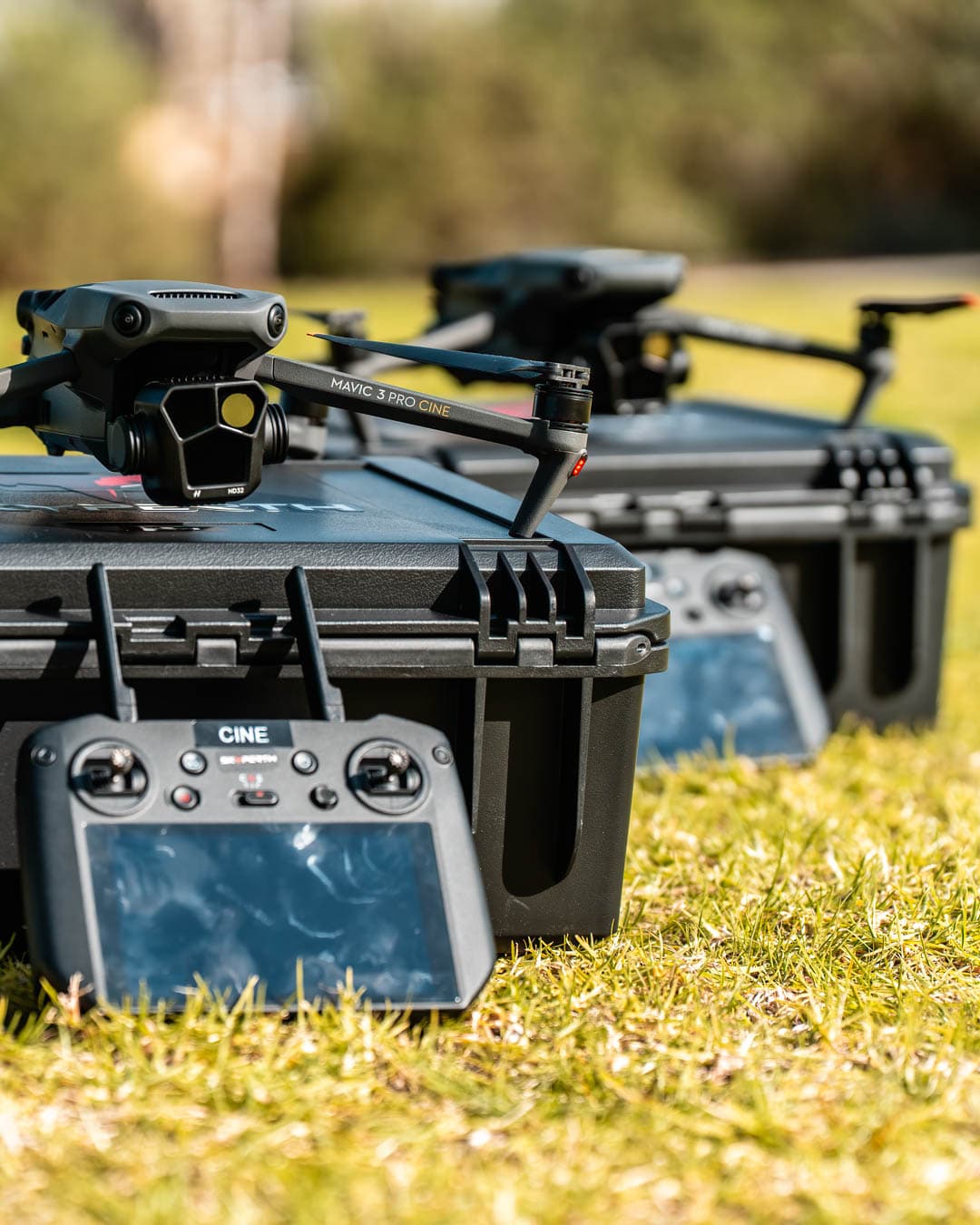
We have operated at numerous public events across Western Australia, from cycling races to corporate functions. Every operation begins with a thorough site assessment, a documented risk management plan, and a safety briefing with event organisers. We fly with observer crew, maintain conservative operating margins, and carry backup equipment. This level of preparation is what separates professional event coverage from reckless drone use.
Making Informed Decisions About Event Drone Coverage
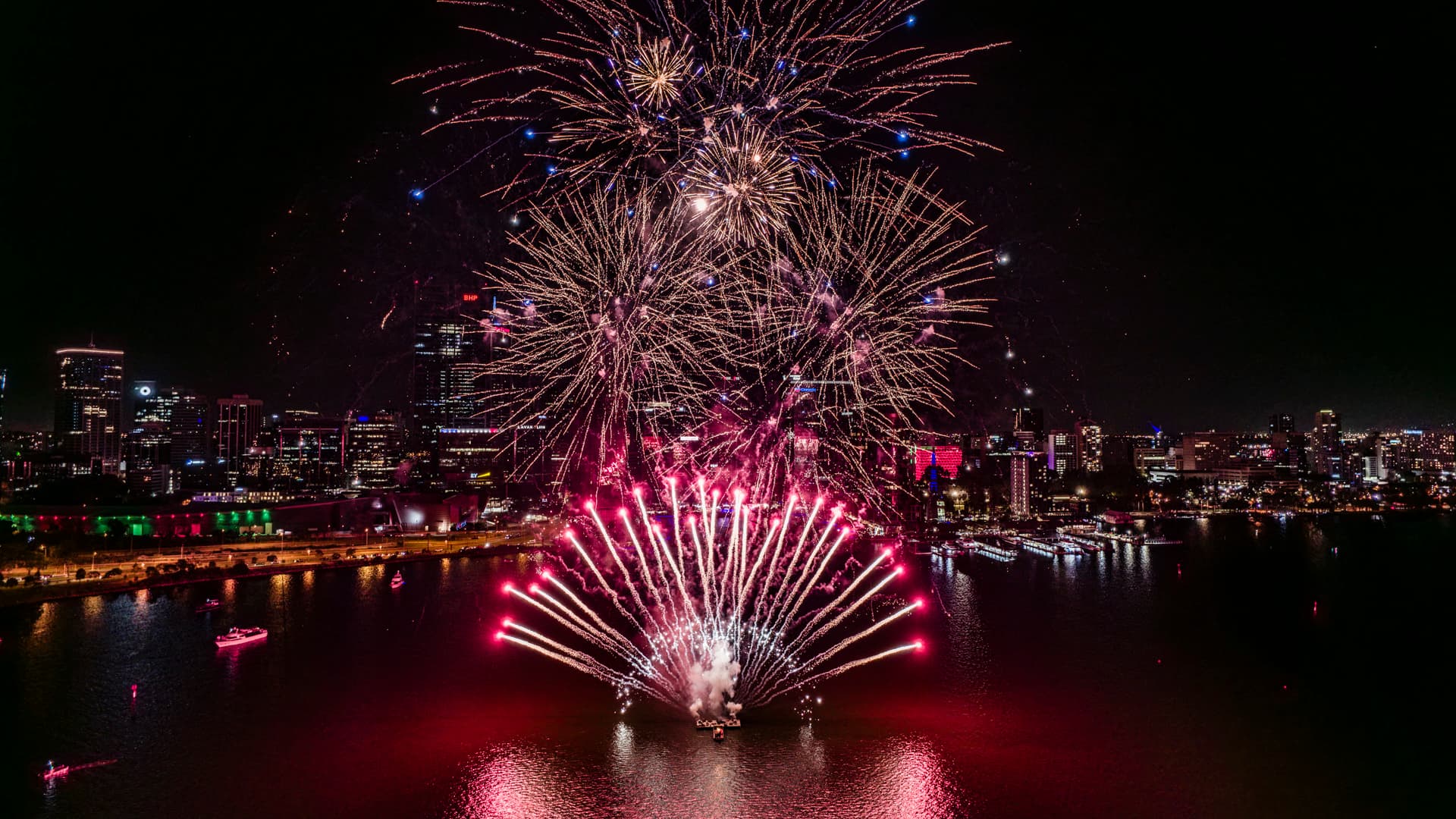
If you are an event organiser considering drone coverage, the benefits are significant. Aerial footage captures the scale, energy, and atmosphere of events in ways ground cameras cannot. But those benefits must be balanced against the safety of your attendees. Choose a certified operator with event experience, verify their credentials, and ensure they have a comprehensive safety plan. The result will be spectacular content delivered safely. See examples in our portfolio or contact us to plan your event coverage.