What Is BVLOS and Why Does It Matter?
BVLOS stands for Beyond Visual Line of Sight. In standard drone operations, the pilot must maintain direct visual contact with the aircraft at all times. BVLOS removes that constraint, allowing drones to operate at distances and in locations where the pilot cannot see the aircraft. This single capability change unlocks applications that are simply impossible under standard visual line of sight rules.
Think about inspecting a 200-kilometre pipeline through remote bushland. Or monitoring a coastline for environmental changes across dozens of kilometres. Or surveying an entire mining lease that stretches across multiple valleys and ridgelines. Under VLOS rules, each of these tasks requires repositioning the pilot repeatedly, adding time, cost, and logistical complexity. BVLOS operations eliminate that constraint.
Current Regulatory Landscape in Australia
CASA grants BVLOS approvals on a case-by-case basis. The application process is rigorous. You need to demonstrate a comprehensive safety case that addresses detect-and-avoid capability, communication systems, emergency procedures, and airspace management. The technology, the procedures, and the operational environment all factor into the assessment.
Australia is actually ahead of many countries in BVLOS regulation. CASA has approved several BVLOS operations for agricultural, infrastructure, and emergency service applications. The approvals are specific to the operator, the aircraft type, the location, and the type of operation. A BVLOS approval for pipeline inspection in remote Western Australia does not automatically extend to a different location or different type of operation.
The trend is toward broader access. CASA is developing regulatory frameworks that will eventually enable routine BVLOS operations in defined categories, similar to how standard commercial drone operations moved from case-by-case approval to a certification system. This regulatory evolution is driven by industry demand and technology maturation, particularly in detect-and-avoid systems.
Industries That Benefit Most
Infrastructure operators stand to gain enormously from routine BVLOS capability. Power lines, gas pipelines, rail corridors, and telecommunications networks all span vast distances. Manual inspection of these assets is expensive, time-consuming, and often dangerous for workers. Autonomous BVLOS drone patrols can monitor hundreds of kilometres daily, identifying faults, vegetation encroachment, and structural issues before they become failures.
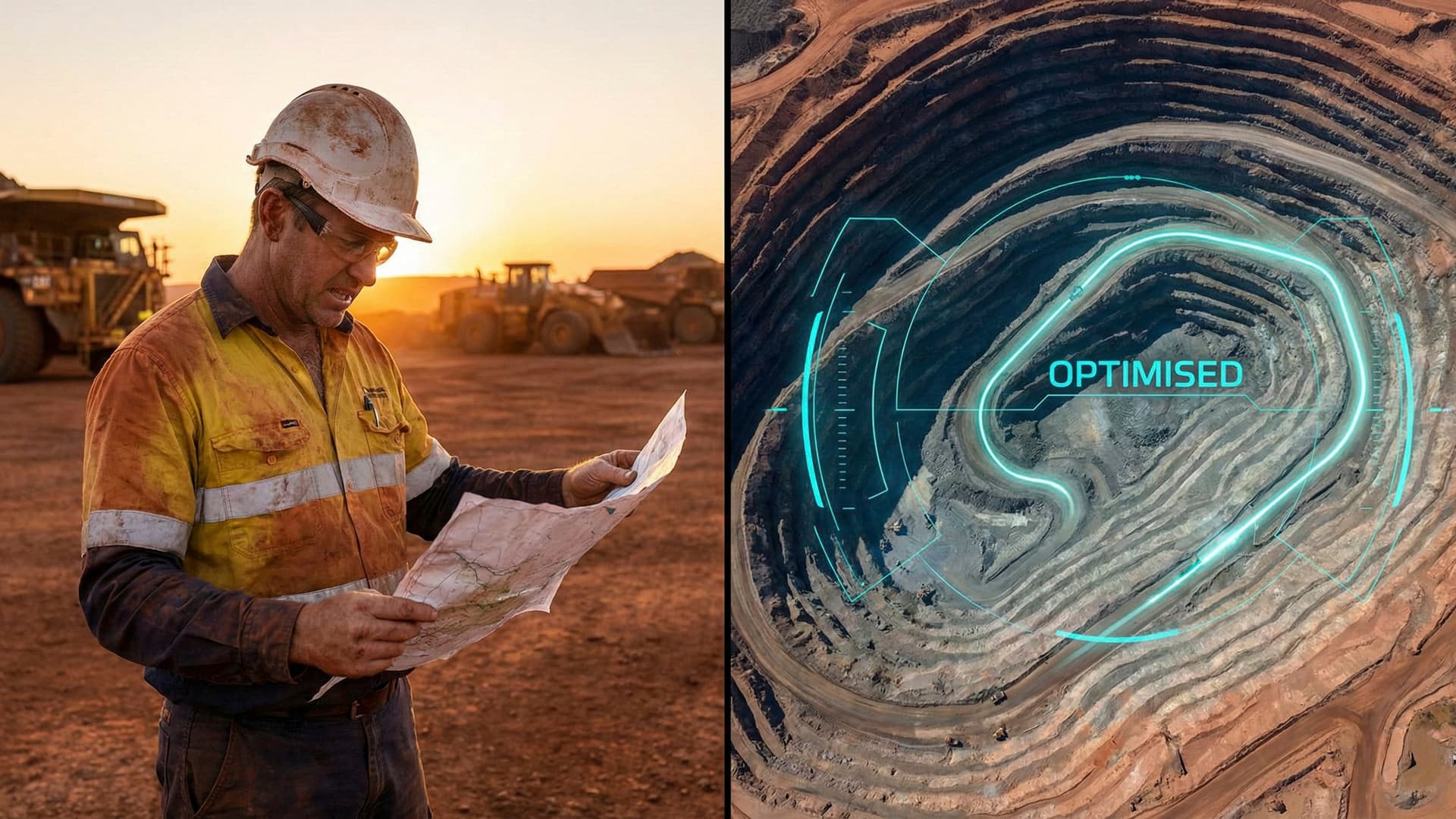
Mining operations with large lease areas can use BVLOS drones for continuous environmental monitoring, boundary surveillance, and logistics coordination. Rather than deploying vehicles across the site, a BVLOS drone can complete a full perimeter inspection in a fraction of the time and report back to a central operations hub.
Emergency services see BVLOS as a force multiplier. Bushfire reconnaissance, flood assessment, and search and rescue operations all benefit from the ability to deploy drones beyond the immediate area without repositioning ground teams. Time saved in these scenarios directly translates to lives protected and property preserved.
Technology Requirements for BVLOS
BVLOS operations demand technology that goes beyond standard commercial drones. Detect-and-avoid systems are the most critical component. The drone must be able to identify and avoid other aircraft, obstacles, and terrain features without pilot visual input. Current solutions include radar, ADS-B receivers, acoustic sensors, and computer vision systems, often in combination.
Reliable beyond-line-of-sight communication is equally essential. Standard radio control links have limited range and can be blocked by terrain. BVLOS operations often use 4G/5G cellular networks, satellite communications, or mesh radio systems to maintain command and telemetry links over extended distances. Communication redundancy is a regulatory requirement, not an optional feature.
The aircraft itself needs to be more robust than typical consumer or prosumer platforms. Longer endurance, greater wind resistance, and built-in redundancy for critical systems (dual GPS, dual IMU, redundant motors) are standard requirements for BVLOS platforms.
What BVLOS Means for the Future of Drone Services
BVLOS will transform the drone industry from a service model based on individual shoots to a capability model based on continuous monitoring and data collection. The operators who position themselves for this transition by building experience with long-range operations, autonomous systems, and regulatory compliance will lead the next phase of industry growth. For current aerial service needs, explore our capabilities or get in touch to discuss your project.