Why Most Drone Operators Undercharge
The drone industry has a pricing problem. New operators see established companies charging $2,000 for a half-day shoot and assume they need to undercut to win work. They quote $500, deliver the same quality, and then wonder why they cannot afford to replace batteries, maintain insurance, or upgrade their equipment. The race to the bottom helps nobody.
Pricing is not about what the market will bear. It is about understanding your true costs, the value you deliver, and positioning yourself accordingly. I have been running commercial drone operations since 2016 through Sky Perth, and the single biggest factor in our growth has been refusing to compete on price. We compete on quality, reliability, and the strategic value of our content.
Calculate Your True Costs First
Before you set a price, you need to know what it actually costs you to operate. Most new pilots only count fuel and batteries. They forget about insurance (public liability and aviation-specific), CASA certification fees, equipment depreciation, software subscriptions, vehicle costs to reach the site, and the hours spent on pre-production planning, post-production editing, and client communication.
Here is a rough breakdown for a typical commercial drone operation in Australia. Public liability insurance runs $1,500 to $3,000 per year. Aviation-specific hull insurance adds another $1,000 to $2,000. CASA ReOC renewal is around $300 annually. A professional drone fleet (two to three aircraft with spares) represents $15,000 to $40,000 in depreciating assets that need replacing every three to four years. Software for editing, colour grading, and project management adds $2,000 to $4,000 annually.
Add it up. Your annual fixed costs before you even fly a single job likely sit between $8,000 and $15,000. Now divide that by the number of billable days you realistically expect in a year. For most operators, that is 80 to 120 days. Your daily overhead just to break even on fixed costs is $70 to $190 before you have earned a cent.
Pricing Models That Work
There are three primary models for drone services: hourly, half-day/full-day, and project-based. Each has its place, and the best operators use all three depending on the client and scope.
Hourly rates work for small, defined tasks like a quick real estate shoot or a brief inspection. In Australia, professional drone operators typically charge between $250 and $500 per hour, depending on location, equipment, and deliverables. Remember that "one hour" of flying often means three hours of total work when you include travel, setup, flight planning, and pack-down.
Half-day and full-day rates simplify things for larger shoots. A half-day (up to four hours on-site) typically ranges from $1,200 to $2,500. A full day runs $2,000 to $4,500. These rates should include basic editing and delivery. Complex post-production, colour grading, and motion graphics are additional line items.
Project-based pricing is where the real profit lives. Instead of selling your time, you sell the outcome. A complete aerial marketing package for a property development might include three shoot days across construction phases, edited highlight videos, still photography, and a timelapse compilation. Pricing this as a project at $8,000 to $15,000 reflects the value delivered, not just the hours spent. See how we structure our packages on our services page.
Value-Based Pricing: Selling the Outcome
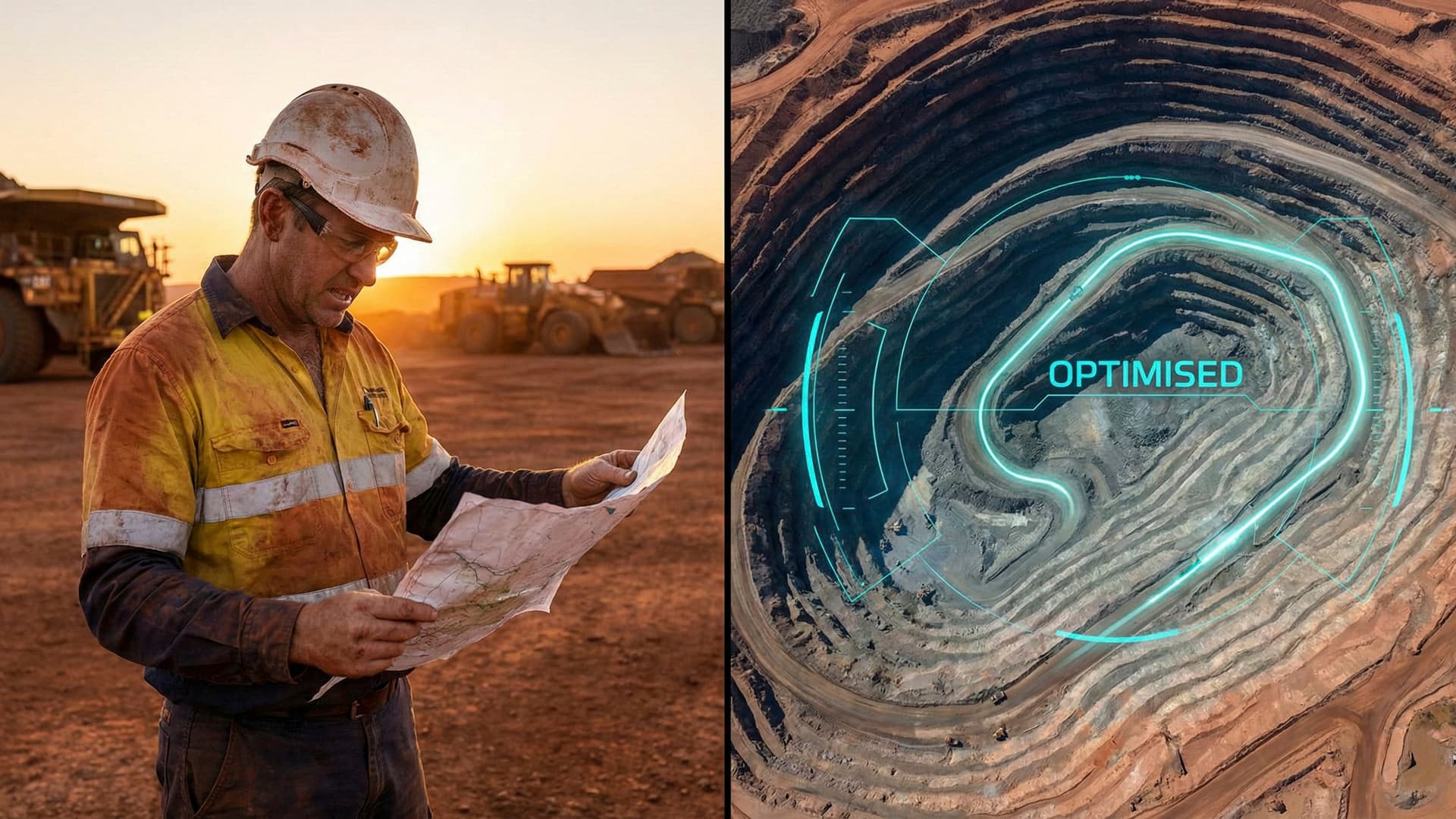
The most profitable drone operators do not sell flying. They sell results. When a real estate agent uses your aerial photos and they help sell a property faster, that outcome is worth far more than three hours of your time. When a mining company uses your survey data to optimise their operations, the efficiency gains dwarf your invoice.
Frame your pricing around what the content does for the client, not what it costs you to produce. A 90-second brand video for a maritime company that gets used across their website, trade shows, and investor presentations for two years is worth $5,000 to $15,000. The fact that you shot it in one day is irrelevant to the value equation.
This requires confidence and the portfolio to back it up. Build case studies that demonstrate measurable outcomes. "This aerial content helped our client increase property listing engagement by 340%." That kind of evidence justifies premium pricing and attracts clients who understand value.
Common Pricing Mistakes to Avoid
Do not quote before understanding the full scope. A "quick drone shoot" can mean anything from 20 minutes to two full days depending on the client's actual needs. Always conduct a discovery call or site assessment before providing a number. Quoting blind leads to scope creep, unprofitable jobs, and frustrated clients.
Do not discount to win work. Every time you drop your price, you reset the client's expectation of what drone services cost. It is far harder to raise prices with an existing client than to start at the right level. If a prospect cannot afford your rates, they are not your client. Let them hire the $500 operator and learn the difference themselves.
Do not forget to charge for licensing. If a client wants to use your footage across multiple platforms, in advertising, or in perpetuity, that has value. Usage licensing is standard in photography and videography. Apply it to your aerial work as well. A single-use website licence and an unlimited commercial licence should not cost the same.
For a deeper look at how we approach commercial projects and the value we build for clients across mining, maritime, and corporate sectors, reach out for a conversation. We are always happy to share what we have learned about building a sustainable drone business.