A New Path Into Creative Work
Ten years ago, breaking into professional photography or videography required years of assisting established professionals, expensive camera equipment, and access to networks that were difficult to penetrate without industry connections. Drones changed this. They created an entirely new specialisation within the creative industry that did not have entrenched gatekeepers. The barrier to entry was learning to fly, getting certified, and producing work that demonstrated skill.
That accessibility attracted a wave of people who might never have entered traditional creative fields. Engineers who appreciated the technical aspects. Outdoor enthusiasts who wanted to merge their lifestyle with a career. Professionals from unrelated industries looking for a career change. Drones gave them a pathway into creative work that their backgrounds actually supported rather than hindered.
From Hobby to Profession: The Transition
The transition from recreational drone flying to professional operation is where most aspiring pilots either level up or plateau. Flying for fun has no stakes. Flying commercially means client expectations, deadlines, safety obligations, insurance requirements, and the pressure of delivering results when conditions are not ideal. CASA certification is the first formal step, but the real transition happens between the ears.
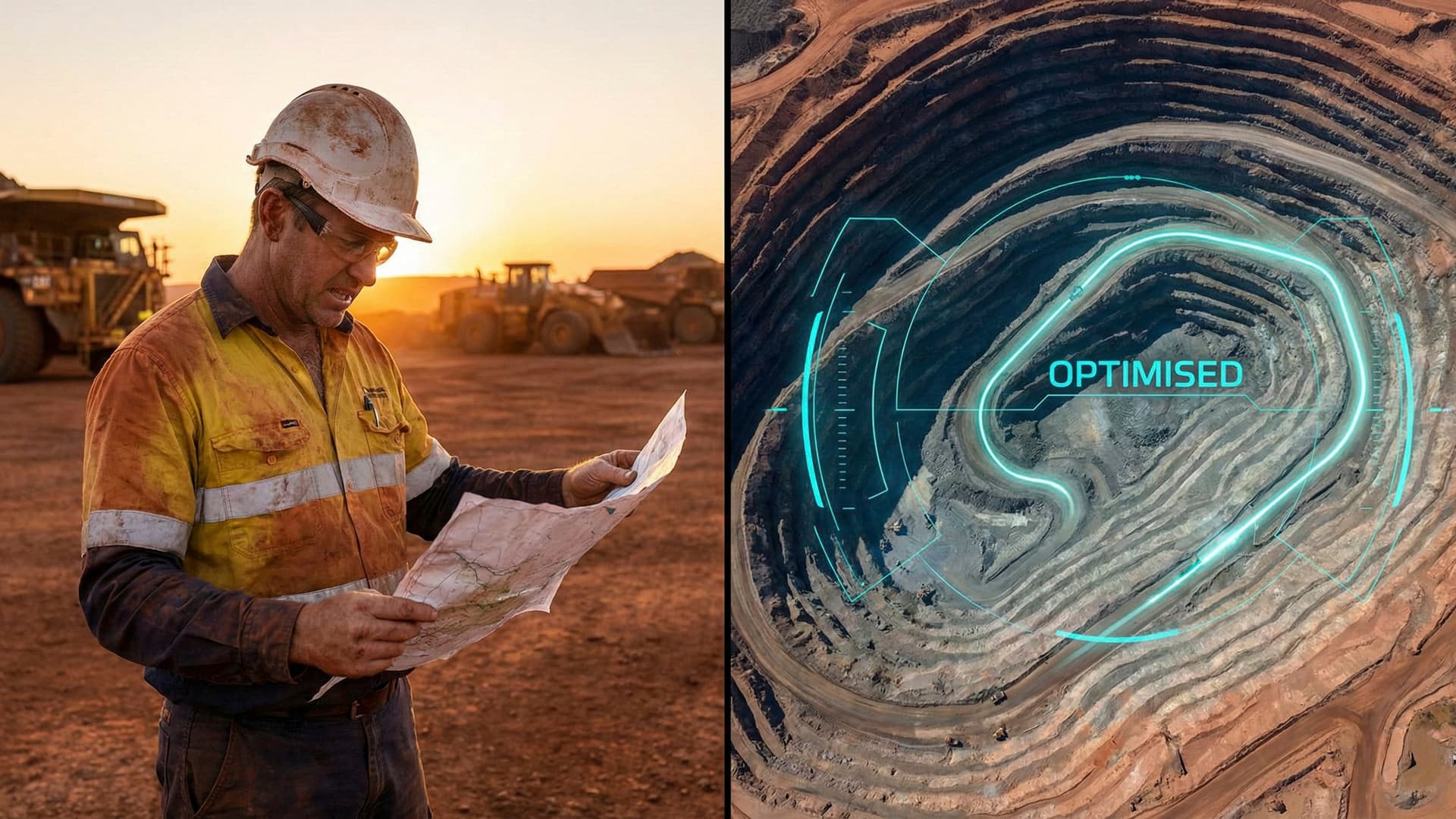
The mindset shift from "I fly a drone" to "I solve visual communication problems using aerial technology" is what separates hobbyists from professionals. Clients do not hire pilots. They hire problem solvers. The real estate agent needs better marketing materials. The mining company needs compliance documentation. The tourism board needs destination content that drives bookings. The drone is just the tool. Understanding the client's problem is the skill.
Building a portfolio takes intentional effort. Shoot personal projects that demonstrate your strongest work. Approach local businesses with offers to capture content at reduced rates in exchange for testimonials and portfolio rights. Enter competitions. Share work on platforms where potential clients will see it, not just other drone enthusiasts. The transition from hobbyist to professional is a marketing challenge as much as a skills challenge.
Career Paths Within the Drone Industry
The drone industry has diversified significantly. Aerial photography and videography remain the most visible career path, but they represent only a fraction of the opportunities. Drone surveying and mapping serves construction, mining, and agriculture. Inspection services cover infrastructure, energy, and telecommunications. Data analysis roles process and interpret the information drones collect. Training and education supports the growing pipeline of new operators.
Within creative roles, specialisation matters. The operator who becomes known for exceptional real estate photography will build a more sustainable business than the generalist competing on every job listing. Our own journey toward specialisation in maritime and mining content transformed our business trajectory. The same principle applies to individual operators building their careers.
What Makes a Successful Drone Career
The operators who build lasting careers share common traits. They invest in continuous learning, both technical skills and business skills. They treat safety as fundamental, not optional. They build relationships rather than chasing transactions. They specialise rather than generalise. And they view their work as a service to their clients, not an expression of their own creativity.
That last point is counterintuitive for people entering a "creative" industry. But the most successful creative professionals understand that their creativity serves the client's objective. The best aerial shot is the one that achieves the client's goal, not the one that looks best on your Instagram feed. This service orientation is what builds repeat business and referrals.
Getting Started
If you are considering a drone career, start by getting certified. Then build a portfolio through personal and volunteer projects. Invest in business skills: marketing, pricing, client communication, and project management. Join industry associations. Attend events. Learn from operators who are where you want to be in five years. And remember that the drone industry rewards persistence more than talent. Show up, do good work, and keep improving. Get in touch if you want to learn more about how we built our operation.