What Are Drone Swarms?
A drone swarm is a group of autonomous or semi-autonomous drones operating in coordination. Unlike a single drone controlled by a pilot, swarm systems use algorithms to manage the behaviour of dozens, hundreds, or even thousands of aircraft simultaneously. Each drone in the swarm communicates with its neighbours, maintaining formation, avoiding collisions, and executing complex patterns without individual human control.
You have probably seen drone light shows at major events. Those are a consumer-facing application of swarm technology. But the real transformation is happening in industrial, agricultural, military, and logistics applications where coordinated drone operations solve problems that single aircraft cannot address efficiently.
Industrial and Agricultural Applications
In agriculture, drone swarms are being used for coordinated crop spraying across large properties. A single agricultural drone can cover limited acreage per flight. A swarm of twenty drones, operating autonomously with overlapping coverage patterns, can treat an entire farm in a fraction of the time. The precision of GPS-guided spraying reduces chemical use and improves crop outcomes.
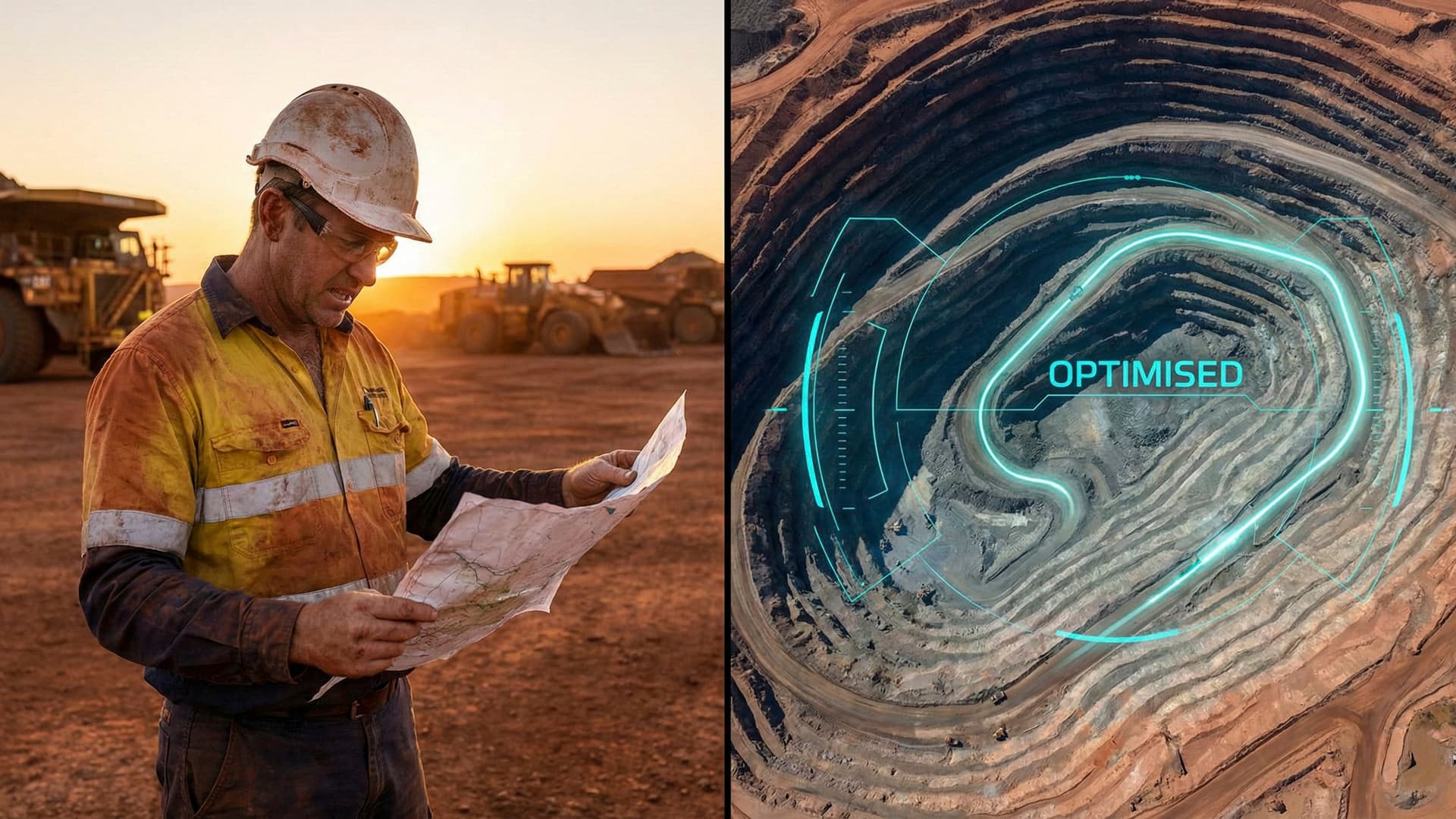
In mining, swarm-based survey systems can map entire open-pit operations simultaneously. Instead of a single drone flying a grid pattern over hours, multiple aircraft divide the survey area and operate concurrently. The data is stitched together in post-processing, producing the same output in significantly less time. For operations where downtime has a measurable cost per hour, the time savings translate directly to financial value.
Infrastructure inspection is another natural application. Imagine a team of drones inspecting a bridge, each covering a different section simultaneously while sharing data to build a complete structural model. This approach reduces the time infrastructure needs to be closed for inspection and provides more comprehensive coverage than a single aircraft could achieve.
Entertainment and Creative Applications
Drone light shows have become a mainstream alternative to fireworks at major events. Hundreds of illuminated drones creating shapes, logos, and animated sequences against the night sky offer advantages over pyrotechnics: no noise pollution, no fire risk, reusability, and the ability to display precise branded imagery.
The technology is also entering film and entertainment production. Coordinated multi-drone camera rigs can capture a scene from multiple angles simultaneously, feeding footage to virtual production systems in real-time. While this is still in early stages, the potential for volumetric capture and dynamic multi-perspective filming is significant.
Challenges and Limitations
Swarm operations face regulatory, technical, and practical hurdles. CASA and equivalent regulators worldwide are still developing frameworks for multi-aircraft operations. Current regulations are designed around single-pilot, single-aircraft scenarios. Managing airspace safety for a swarm introduces complexity that existing systems are not built to handle.
Technically, reliable communication between swarm members is critical. Signal interference, GPS accuracy, and latency all affect swarm cohesion. A communication failure in a single drone can cascade through the swarm if the algorithms are not robust enough to handle individual aircraft dropouts. The technology works well in controlled environments, but real-world conditions add unpredictability.
Cost remains a barrier for most commercial applications. A swarm system requires not just multiple aircraft but specialised software, communication infrastructure, and trained operators. For most businesses, a single well-operated drone still provides the best return on investment. Swarms will become more accessible as costs decrease and regulations mature.
What This Means for the Drone Industry
Swarm technology represents the next evolution in drone capability. It will not replace individual drone operations for most applications. A single Inspire 3 piloted by an experienced operator will still produce better cinematography than a swarm of lesser aircraft. But for data collection, monitoring, and large-scale operations, swarms offer efficiency gains that individual aircraft cannot match.
Operators and businesses should monitor swarm developments and consider where coordinated multi-aircraft operations could add value to their existing workflows. The early adopters who understand both the potential and the limitations of swarm technology will be best positioned when the regulatory and technical frameworks mature. For current aerial capabilities that deliver results today, explore our services or get in touch.