Weather Does Not Cancel Shoots. It Changes Them.
The default response to imperfect weather is to postpone. Overcast? Reschedule. Wind picking up? Pack it in. Light rain? Absolutely not. While safety must always come first, this reflexive avoidance of anything other than calm, sunny conditions means missing some of the most dramatic and visually distinctive aerial photography opportunities available.
Overcast skies produce soft, even lighting that eliminates harsh shadows and hot spots. Wind creates texture on water surfaces and movement in vegetation. Storm clouds add drama that clear blue skies simply cannot match. The operators who learn to work with weather rather than against it expand their creative range and their reliability in the eyes of clients who need content delivered on schedule.
Overcast Conditions: Your Secret Weapon
Cloud cover acts as a giant softbox, diffusing sunlight evenly across the landscape. For real estate photography, this means no harsh shadows on building facades, no blown-out highlights on white walls, and even illumination across the entire property. For landscape and coastal work, overcast light brings out colour saturation in vegetation, water, and soil that direct sunlight washes out.
The trade-off is reduced contrast and a potentially flat sky. Counter the first by increasing contrast slightly in post-production. Address the second by composing your shots to minimise sky area. Use oblique camera angles that emphasise the ground subject rather than including large areas of featureless grey sky. When the sky does have texture, broken cloud with shafts of light, dramatic formations, include more of it. It becomes part of the story.
Exposure management is simpler in overcast conditions. The dynamic range between shadows and highlights narrows, meaning you can capture detail across the full range without HDR techniques or exposure bracketing. This makes overcast days ideal for high-volume work where efficiency matters, like shooting multiple properties in a single session.
Wind: Understanding Your Limits
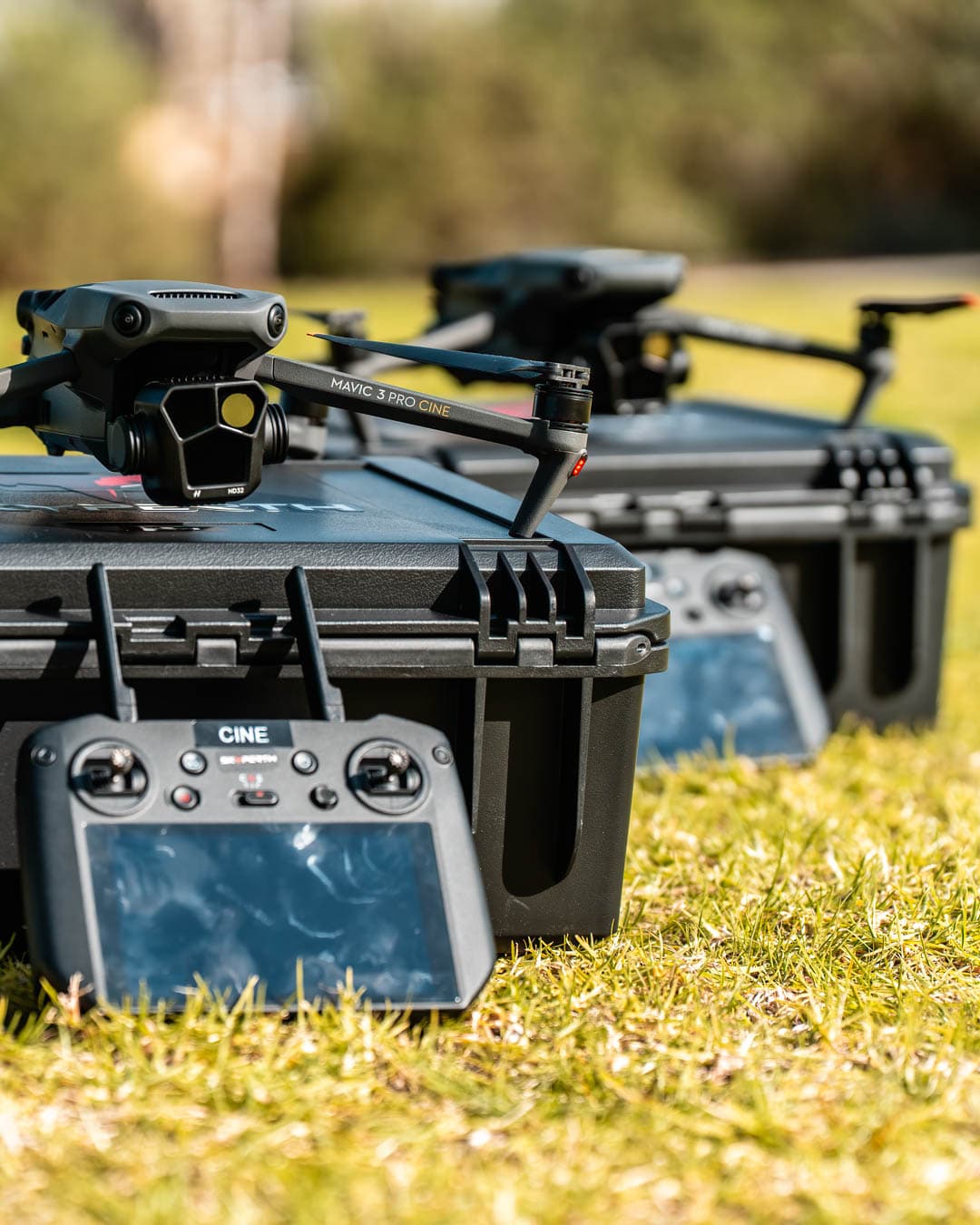
Every drone has a maximum wind speed rating. The DJI Mavic 3 Pro handles sustained winds up to about 40 km/h. The Inspire 3 pushes that ceiling higher. But maximum ratings are not operating recommendations. At maximum rated wind speed, the drone is at its stability limit. Battery drain increases dramatically as the motors work harder to maintain position. Image stabilisation is pushed to its boundaries.
A practical operating limit is roughly 60-70% of the drone's rated maximum wind speed. For the Mavic 3 Pro, that means comfortable operations up to about 25-28 km/h. This still allows shooting in conditions that most operators would avoid. The key is positioning yourself upwind of your subject and flying patterns that work with the wind rather than against it.
Wind also varies with altitude. Ground-level wind of 15 km/h might be 30 km/h at 100 metres due to reduced surface friction. Trees, buildings, and terrain features create turbulence zones that can catch drones unexpectedly. Always account for the wind at your planned operating altitude, not just what you feel at ground level.
Rain and Moisture: Where to Draw the Line
Most commercial drones are not waterproof. Light moisture, mist, and very light drizzle can be managed with caution, but sustained rain will damage electronics, fog lenses, and compromise flight safety. The DJI Matrice series offers weather-resistant options for operators who regularly work in wet conditions, but even these have limits.
If you need to operate in marginal conditions, carry lens wipes, a microfibre cloth for the camera lens, and a weatherproof case for the controller. Launch quickly, capture what you need, and land before moisture accumulates on the sensors and camera. Inspect the drone thoroughly after any flight in moist conditions, paying attention to motor housings, gimbal mechanisms, and battery contacts.
Using Weather for Creative Impact
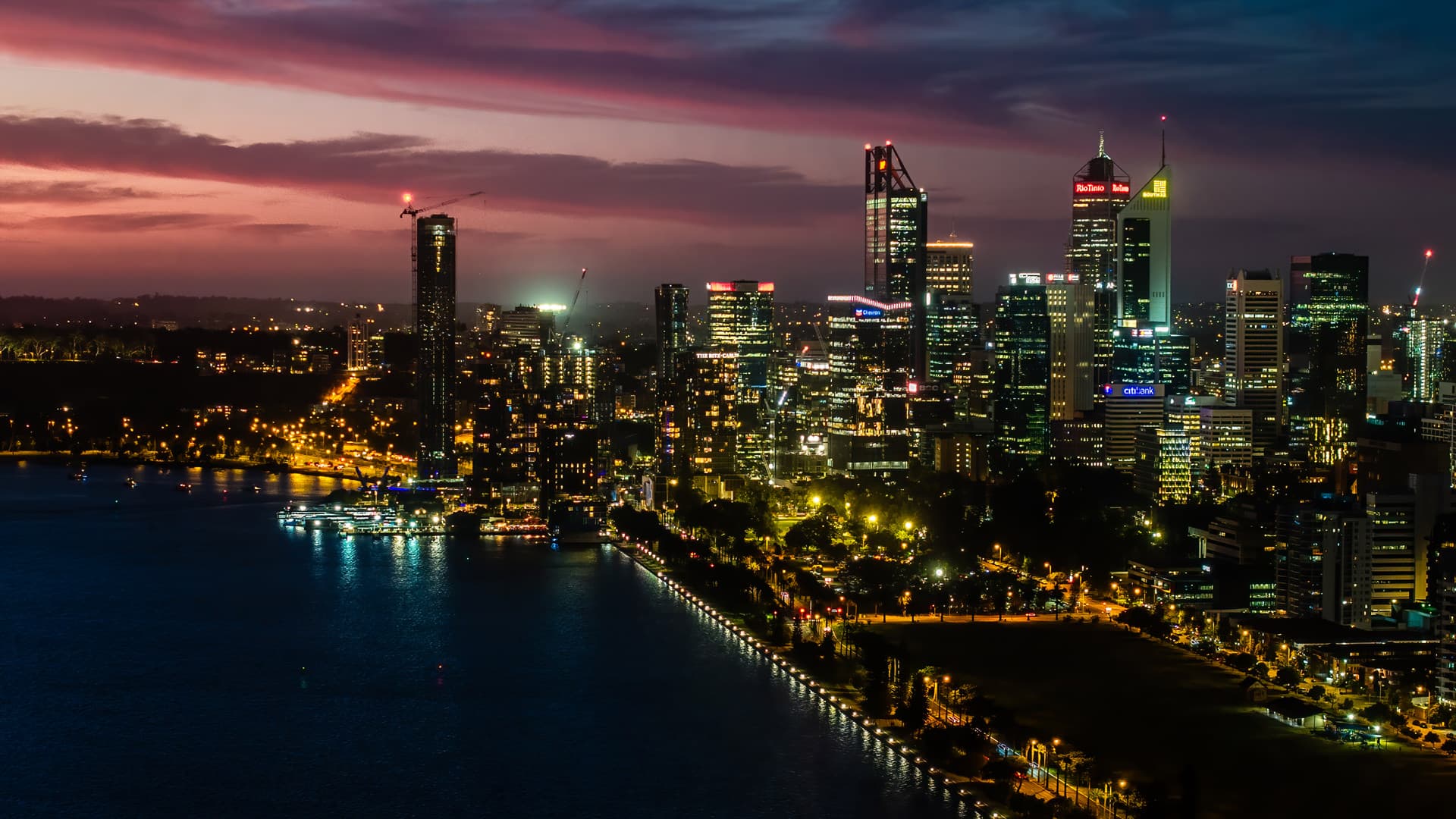
Some of the most compelling aerial photographs are captured in weather conditions that most pilots would avoid. Storm fronts approaching a coastline. Fog rolling through valleys at dawn. Rain clouds parting to reveal a shaft of sunlight on a landscape. These moments are fleeting and unpredictable, but they produce imagery that stands out from the endless stream of blue-sky drone photos flooding social media.
The key is being prepared and present. Check weather forecasts for interesting conditions, not just clear days. Position yourself where dramatic weather might interact with photogenic landscapes. And always, always prioritise safety over the shot. No image is worth risking your equipment or anyone's safety. For professional aerial content that captures your project in any conditions, explore our services or get in touch.