Why the Camera Sensor Matters More Than Megapixels
Marketing teams love megapixel counts. Higher numbers sell more units. But if you have ever compared a 48MP phone photo to a 20MP image from a Hasselblad-equipped drone, you know the truth. Sensor size, pixel pitch, and colour science determine image quality far more than raw resolution. A larger sensor captures more light per pixel, which means cleaner shadows, smoother gradients, and better performance when the sun drops low.
In aerial photography, you are often shooting in challenging conditions. Harsh midday sun with extreme contrast. Golden hour with rapidly changing light. Overcast skies where everything looks flat without proper dynamic range. The camera system on your drone needs to handle all of these without falling apart. That is why sensor size is the first specification I check on any new platform.
1/1.3-Inch Sensors: The New Baseline
The DJI Mini 4 Pro and Air 3 both use 1/1.3-inch sensors, and they perform remarkably well for their size. You get 48MP stills with decent dynamic range and 4K video at 60fps. For social media content, real estate marketing, and small business promotional work, these cameras deliver more than enough quality.
The limitation shows up in post-production. When you push shadows or recover highlights, you hit the noise floor faster than you would with a larger sensor. If your workflow involves heavy colour grading or you need to crop significantly in post, you will feel the constraints. For straight-out-of-camera delivery or light editing, they are excellent.
Micro Four Thirds: The Professional Sweet Spot
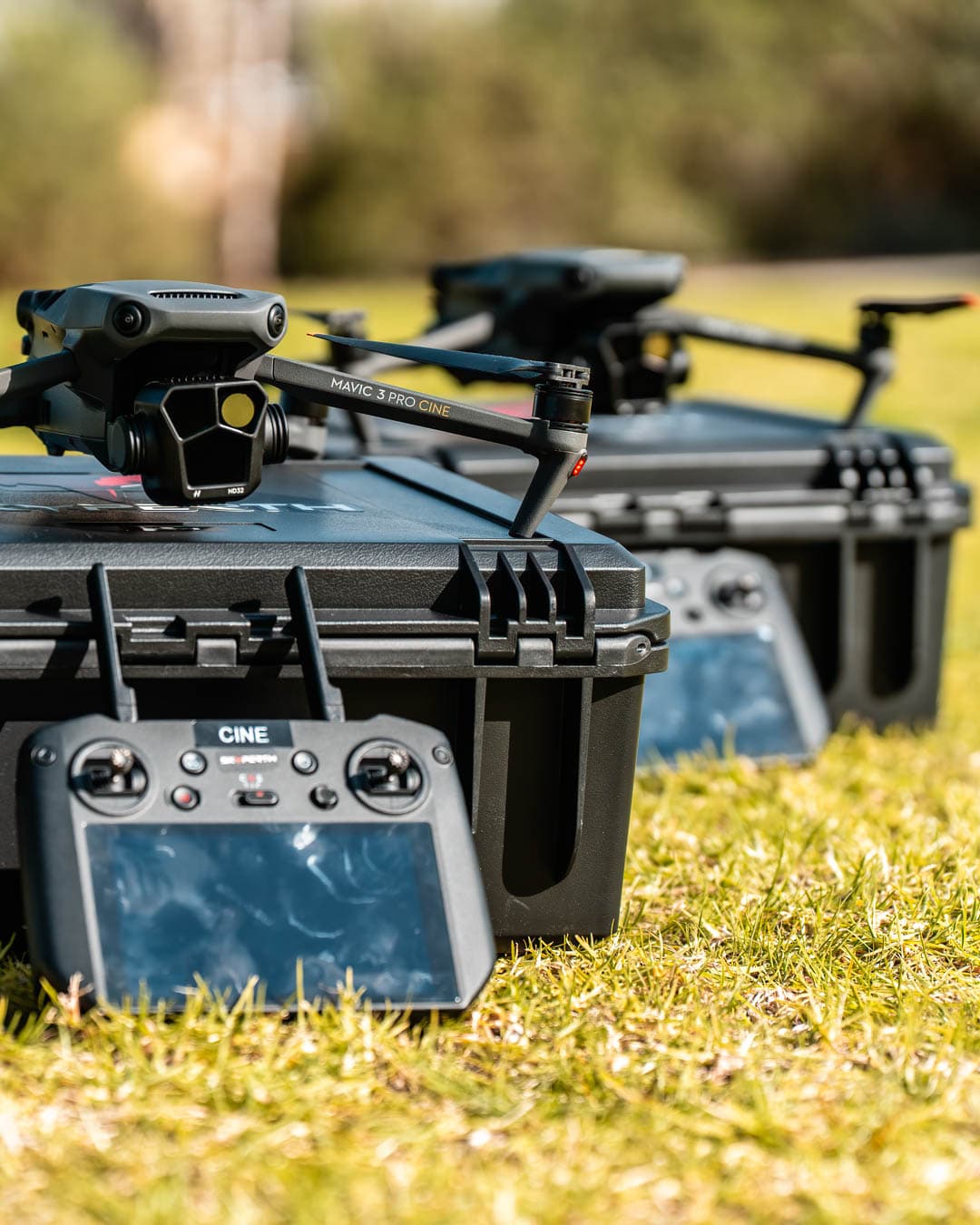
The Mavic 3 Classic and Mavic 3 Pro use a 4/3 CMOS sensor developed with Hasselblad. This is a genuine step up. The larger photosites mean noticeably better low-light performance, richer colour depth, and more latitude in post. When we shoot maritime content at dawn or dusk, the difference between a 1/1.3-inch sensor and a 4/3-inch sensor is immediately visible in the final grade.
Hasselblad Natural Colour Solution (HNCS) also gives the Mavic 3 series a colour rendering advantage. Skin tones, water, and foliage all look more natural straight out of camera. For commercial clients who care about colour accuracy in their brand materials, this matters. DJI's D-Log M colour profile preserves maximum dynamic range for professional grading workflows.
Full-Frame and Large Format: Cinema-Grade Aerial Imaging
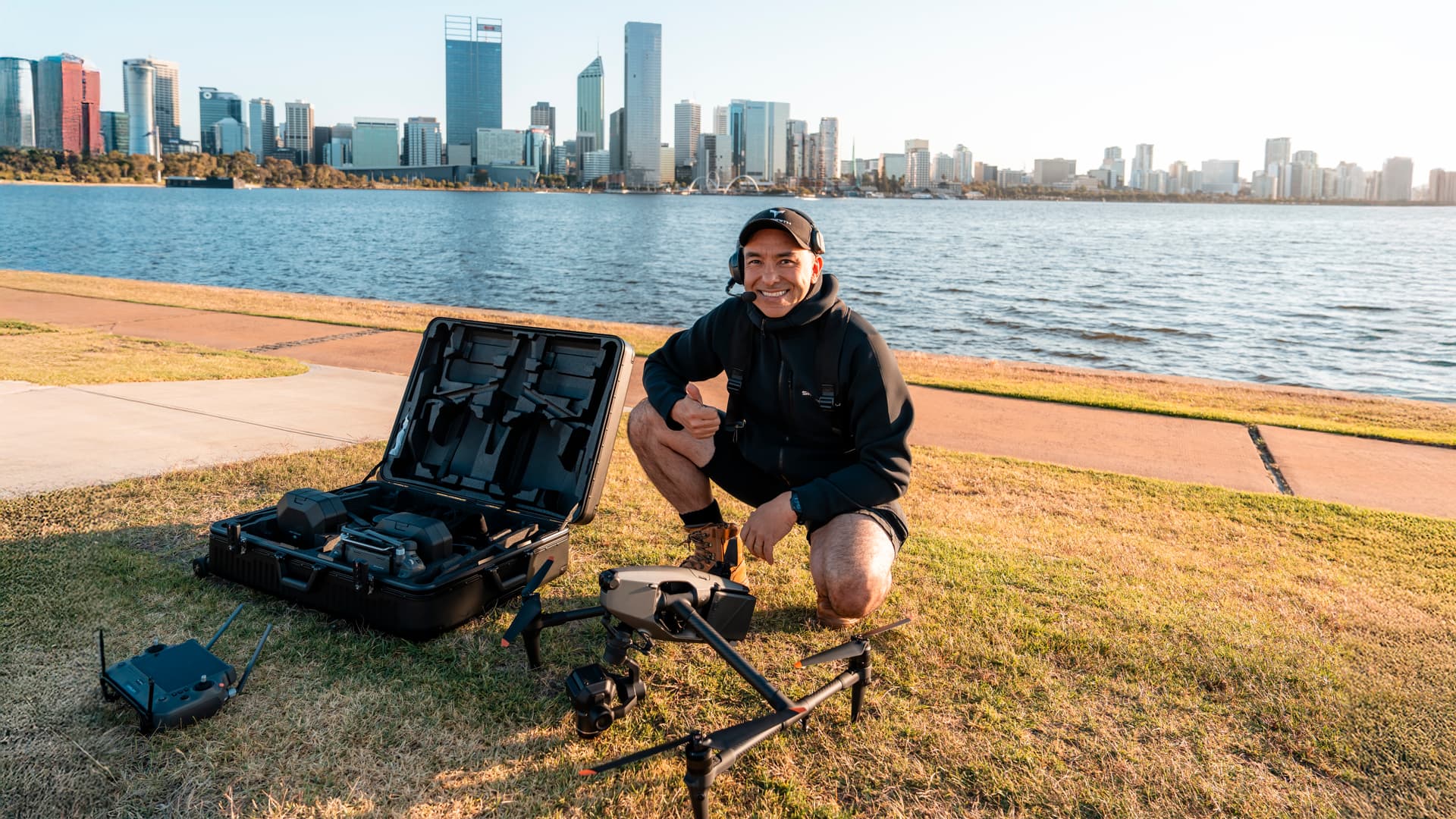
The DJI Inspire 3 with the X9-8K gimbal uses a full-frame sensor capable of 8K CinemaDNG RAW. This is broadcast and cinema territory. The files are massive. A single flight can generate hundreds of gigabytes. But the quality is unmatched in the drone world. We use this system on projects where the aerial footage sits alongside RED or ARRI ground cameras in the final edit.
For specialised applications, the DJI Matrice 350 RTK and Matrice 4 series support interchangeable payloads including thermal, multispectral, and LiDAR sensors. These are not photography drones in the traditional sense, but they expand what aerial imaging can achieve across mining, agriculture, and infrastructure inspection.
Video Codecs and Recording Formats
Camera quality is not just about the sensor. How the data gets recorded matters equally. H.264 compression is fine for social media delivery. H.265 gives you better quality at smaller file sizes. But for serious commercial work, you want ProRes or CinemaDNG RAW. The Mavic 3 Pro Cine records ProRes 422 HQ internally to a 1TB SSD. The Inspire 3 shoots CinemaDNG RAW at up to 8K.
These formats preserve more colour and exposure information for grading. If your client is a tourism board, a defence contractor, or a broadcast network, they expect delivery in formats that their post-production teams can work with. Delivering H.264 MP4 files to a colour suite designed for ProRes workflows creates problems. Match your recording format to your delivery requirements.
Choosing the Right Camera for Your Work
Content creators and small business operators will get excellent results from the 1/1.3-inch sensors in the Mini 4 Pro or Air 3. Commercial operators serving real estate, tourism, and corporate clients should look at the Mavic 3 Pro Cine for its combination of sensor quality, codec options, and portability. High-end production companies and operators serving broadcast, maritime, or mining clients need the Inspire 3 or Matrice platform.
The camera you choose should match the work you are doing today and the work you want to be doing in twelve months. Investing in a better sensor now saves you from replacing your entire platform when clients start demanding higher quality. Browse our portfolio to see what different camera systems produce in real-world commercial projects, or reach out if you want to discuss what platform suits your next project.