Why Maritime Aerial Cinematography Is Different
Flying drones near water, over vessels, and around port infrastructure is not standard aerial photography. It demands specific skills, equipment, and experience that most drone operators simply do not have. Salt spray corrodes electronics. Magnetic interference from steel hulls throws off compass calibration. Wind shear around large structures creates unpredictable turbulence. And if something goes wrong, your drone lands in the ocean.
The maritime industry needs operators who understand these challenges from direct experience, not from reading about them. When a shipbuilder is launching a $200 million vessel and wants it documented from the air, there is no margin for error. The event happens once. The operator needs to capture it perfectly on the first and only attempt.
What Separates Maritime Specialists from General Operators
A general drone operator can fly in calm conditions over land and produce good results. Put that same operator on a dock with a 25-knot crosswind, salt haze, restricted airspace, and a vessel schedule that dictates exactly when the action happens, and the difference in experience becomes obvious.
Maritime aerial specialists bring several things that generalists lack. First, operational familiarity with port environments, vessel movements, and maritime safety protocols. Second, equipment configured for marine conditions, including propeller guards, lens cleaning kits for salt spray, and redundant communication systems. Third, relationships with port authorities, harbourmasters, and marine coordinators who control access and airspace.
At Aguia Studio, our maritime portfolio represents some of our most demanding and rewarding work. Documenting vessel launches, sea trials, and fleet operations for clients like Austal Ships has given us deep expertise in this niche. We understand the operational tempo, the safety requirements, and the creative opportunities that maritime environments present.
The Creative Opportunity in Maritime Content
Ships are inherently dramatic subjects. The scale, the engineering, the interaction between vessel and ocean. These elements create visual storytelling opportunities that few other subjects can match. But capturing that drama requires more than hovering a drone overhead and pressing record.
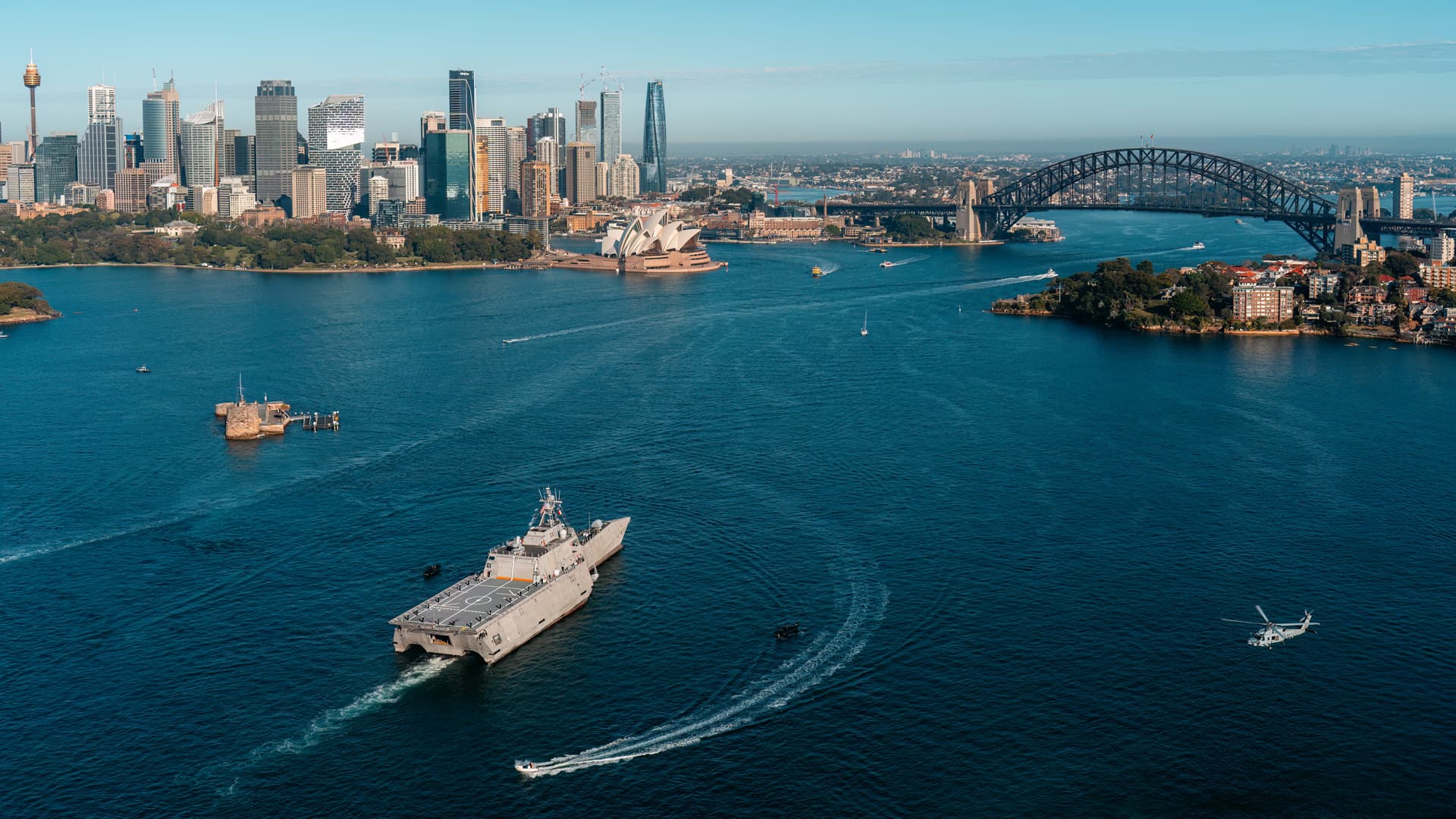
The best maritime aerial content uses movement and perspective to convey scale and power. Low-altitude passes along the waterline show speed and wake. High-altitude reveals show the vessel in the context of the harbour, the coastline, or the open sea. Orbiting shots around a vessel at anchor show design details and proportions. Each movement serves the story being told.
Timing is critical. A vessel launch happens in minutes. Sea trials follow tight schedules dictated by tides, weather, and operational requirements. The operator needs to be positioned, configured, and ready to capture the moment when it happens. There are no retakes in maritime operations.
Safety and Compliance in Maritime Environments
Maritime operations in Australia fall under multiple regulatory frameworks. CASA regulations govern the aviation aspects. Port authorities control access and activities within port boundaries. The Australian Maritime Safety Authority (AMSA) has jurisdiction over vessel operations. A maritime aerial operator needs to navigate all three.
Safety risk assessments for maritime drone operations must account for scenarios that do not exist in land-based flying. Drone recovery from water. Interference with vessel navigation systems. Collision risk with port infrastructure, cranes, and other aircraft. Emergency procedures when operating over or near water with limited landing options. These assessments are detailed, site-specific, and reviewed before every operation.
Choosing the Right Maritime Aerial Partner
When selecting a provider for maritime aerial cinematography, look beyond the showreel. Ask about their specific maritime experience. How many vessel launches have they documented? What ports have they operated in? Can they show you their maritime-specific risk assessments and safety procedures? Do they carry marine-appropriate insurance?
The right partner understands your industry, speaks your language, and can integrate seamlessly into your operational environment. They should be adding value through creative expertise and operational efficiency, not creating additional risk or complexity. Browse our portfolio to see our maritime work in action, or get in touch to discuss your next project.