The Temptation to Move
Drones move. That is their defining capability. The temptation is to use that movement constantly. Sweeping pans, dramatic reveals, orbiting shots, tracking sequences. Movement is exciting. It feels cinematic. But constant movement is exhausting to watch and dilutes the impact of the moments that actually matter. Sometimes the most powerful aerial shot is one that barely moves at all.
Stillness in aerial videography is counterintuitive. You have a flying camera capable of sweeping across landscapes, and you choose to hold it in one position, letting the scene unfold within a static frame. But this restraint creates space for the viewer to observe, absorb, and feel. It changes the tempo of the edit and gives the audience permission to breathe.
What Stillness Reveals
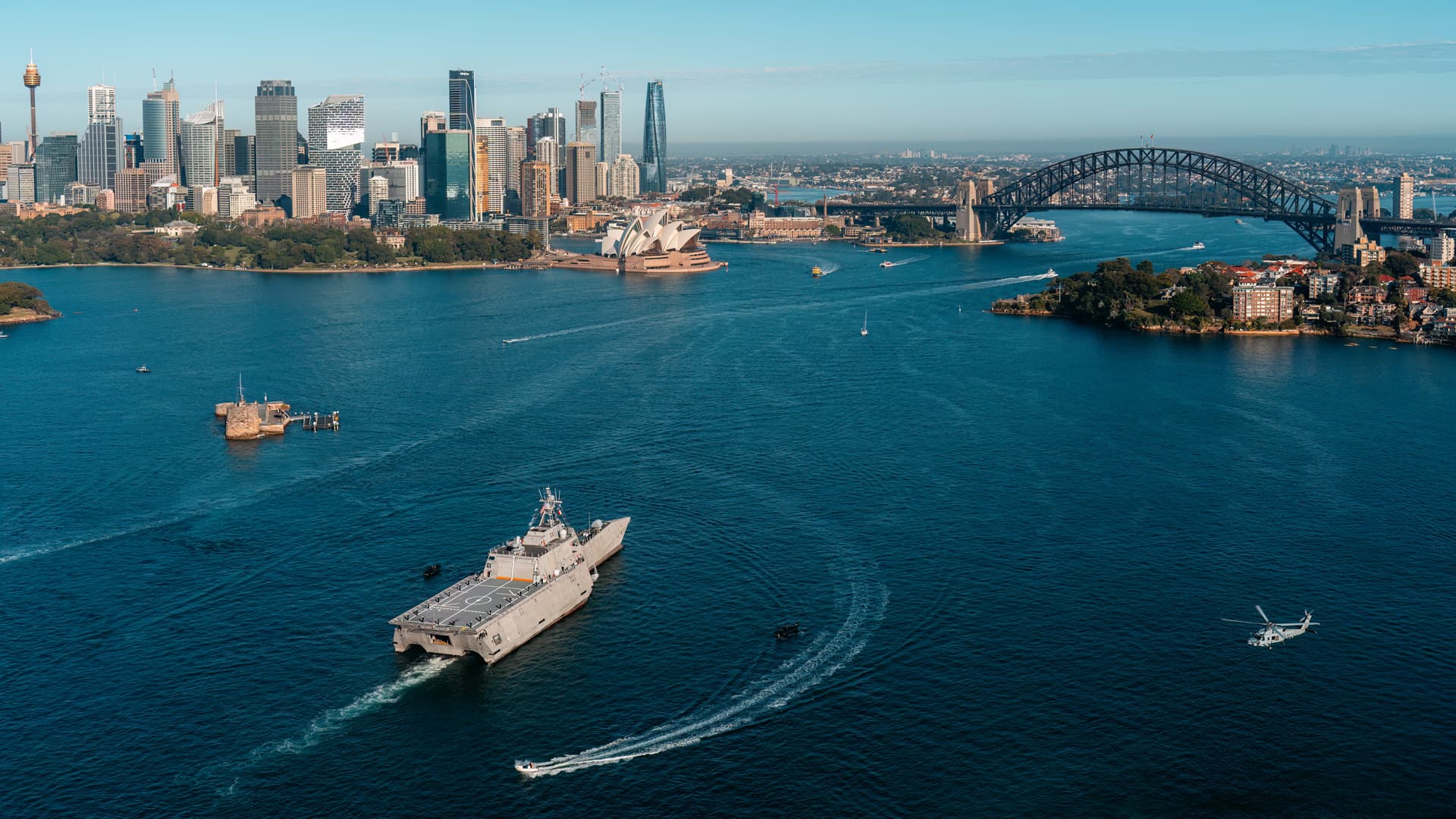
A static aerial shot of a busy harbour reveals movement within the frame. Boats tracking across the water. Workers moving on the dock. Cranes rotating. Vehicles circling. The camera does not need to move because the scene is already alive with motion. Holding the frame lets the viewer's eye wander and discover details that a moving camera would blur past.
In landscape photography, stillness captures weather patterns that movement obscures. Clouds drifting across a valley. Fog rolling through a forest. Rain sweeping across a plain. These slow, atmospheric changes are best observed from a fixed aerial position where the viewer can track the progression across the frame. The drone becomes a watchtower, and the viewer becomes an observer of natural systems.
For time-critical events, a static aerial setup records the full sequence. A ship entering a harbour. A race starting. The sun crossing the horizon. These linear events have a beginning, middle, and end that benefits from a fixed perspective. The viewer understands the spatial context and can focus entirely on the unfolding action.
How to Use Stillness Effectively
Stillness works best in contrast with movement. A sequence of dynamic aerial shots followed by a single static hold creates an emotional shift. The viewer's eye, accustomed to tracking camera movement, suddenly rests. The brain processes differently. Attention deepens. This contrast is a fundamental editing technique used in cinema, and it applies equally to aerial storytelling.
Choose your static positions carefully. The frame needs to be compositionally strong enough to hold attention without the novelty of movement. Strong leading lines, clear subjects, balanced elements, and interesting light are more important in a static shot than in a moving one, because the viewer has time to evaluate the composition. A moving shot can get away with average composition because the movement distracts. A static shot cannot.
Stillness in Commercial Applications
Static aerial shots have specific commercial applications. Real estate photography often benefits from a static, perfectly composed overhead shot that shows the property layout clearly. Construction documentation uses fixed camera positions for progress comparison over time. Maritime documentation holds a wide position to capture an entire vessel operation within the frame.
Corporate brand films can use aerial stillness to create a sense of permanence and stability. A static wide shot of a company's headquarters, facilities, or operations communicates solidity. The business is not going anywhere. It is established, grounded, and substantial. That subconscious message is difficult to achieve with a moving camera, which inherently suggests transience.
Practising Restraint
On your next shoot, challenge yourself to capture at least three static aerial shots that hold for 15 seconds or more. Review them in the edit and notice how they change the pace and feel of the sequence. The discipline of stillness will improve your moving shots too, because you will become more intentional about when and why you move the camera. Every movement should serve the story. When it does not, hold still. View how we balance movement and stillness across our portfolio, or get in touch to discuss your project.