The Netflix Effect on Production Standards
Netflix did not just change how we watch content. It changed how content gets made. When a streaming platform commits billions to original production and distributes globally on day one, the quality bar moves. Every frame needs to hold up on a 4K television, a cinema projector, and a phone screen simultaneously. That pressure has cascaded down to every level of content production, including corporate video, brand films, and marketing content.
Audiences now compare everything to Netflix. A real estate walkthrough video, a tourism destination film, a corporate brand piece. If it looks cheap, dated, or poorly produced, viewers notice immediately. They may not articulate why, but the feeling of "this looks amateur" kills credibility faster than any competitor's campaign.
What Netflix Got Right About Visual Storytelling
Netflix's creative teams understand that story drives engagement, not spectacle. Their most successful productions combine compelling narratives with cinematic production values. Aerial shots are used deliberately, to establish scale, reveal location, or create emotional distance. They are never thrown in randomly to fill time.
This is the lesson for business content. Aerial footage of your site, your product, or your operation needs to serve a purpose within the story you are telling. A drone shot of a warehouse looks impressive for three seconds. A drone shot that reveals the warehouse, then tracks a delivery truck departing, then rises to show the entire logistics network tells a story about capability and reach.
The pacing matters too. Netflix content moves. Shots are rarely longer than five seconds before cutting. Camera movement is motivated. Colour grading is consistent and intentional. These are not arbitrary creative choices. They are responses to how modern audiences consume visual information. Apply the same discipline to your business content.
How Streaming Has Changed Client Expectations
Clients who grew up watching Netflix, Stan, and Disney+ have internalised those production standards. When they brief a video project, their mental reference point is not last year's corporate video. It is the documentary series they binged last weekend. That gap between expectation and typical corporate video budgets creates a challenge, but also an opportunity.
The opportunity is that production technology has become dramatically more accessible. A drone like the DJI Mavic 3 Pro shoots footage that would have required a helicopter and a cinema camera ten years ago. Colour grading tools that cost $50,000 in 2010 are now available in DaVinci Resolve for free. The barriers to Netflix-quality imagery have collapsed. What has not collapsed is the need for skilled operators, creative direction, and strategic thinking.
We approach every project, whether it is a maritime documentary or a tourism campaign, with the same cinematic mindset that streaming platforms demand. The gear is accessible. The storytelling discipline is what separates forgettable content from material that builds brands.
Aerial Cinematography in the Streaming Era
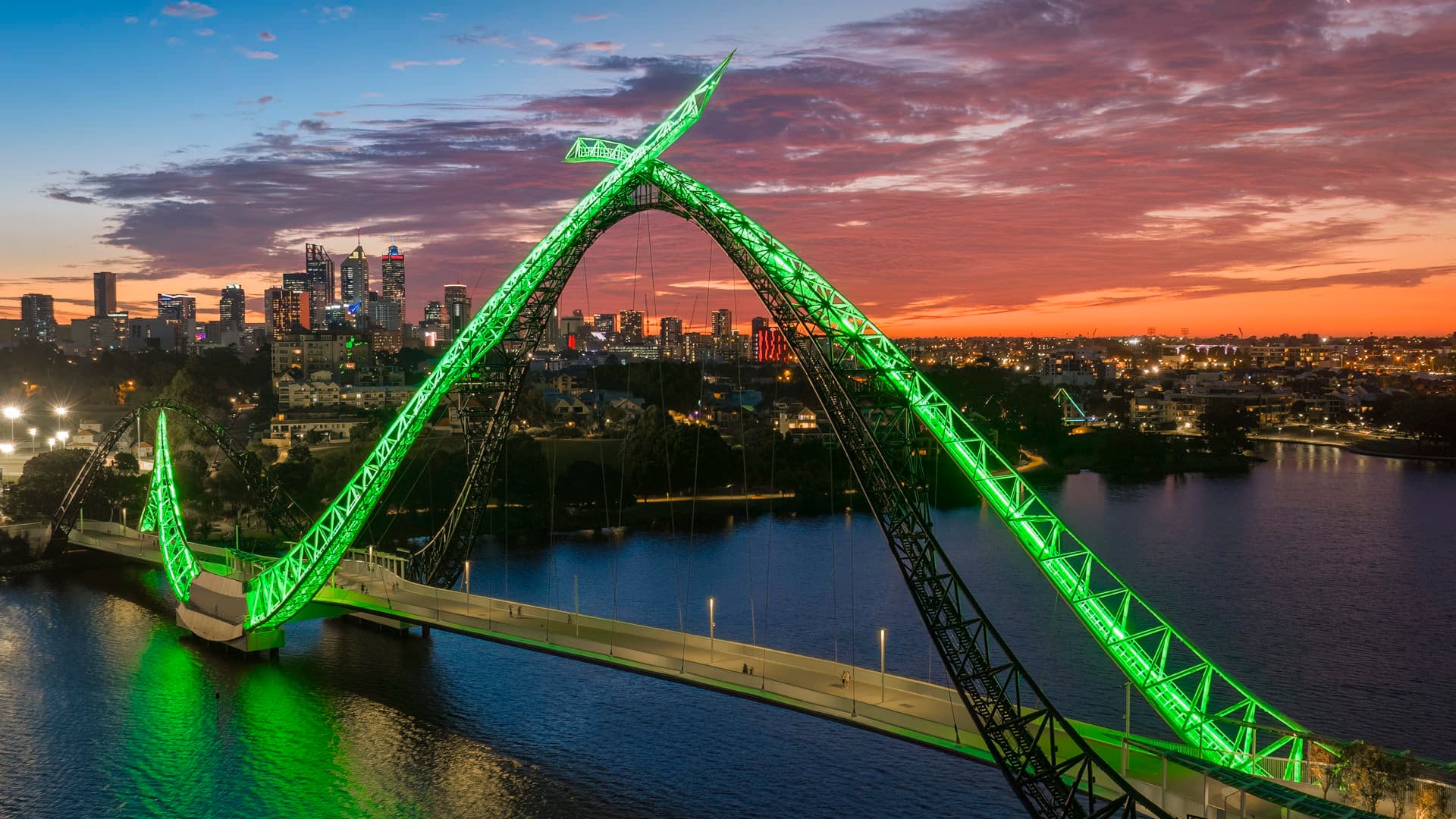
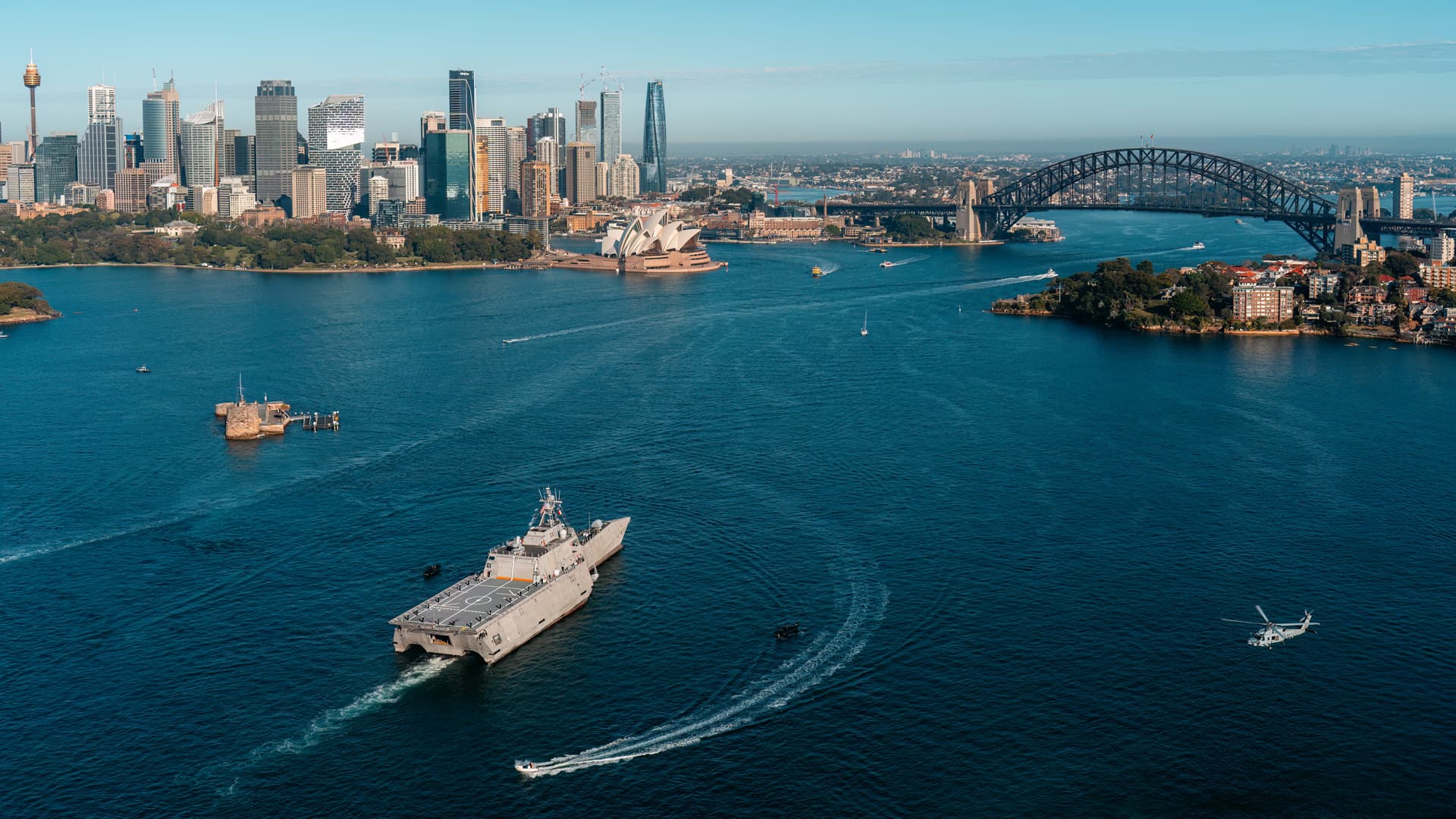
Drone footage has become a staple of streaming content. Nature documentaries, travel series, true crime, sports coverage. Almost every genre uses aerial perspectives regularly. This has normalised the aesthetic for audiences. Viewers expect to see their world from above. That expectation extends to brand content.
The technical standard for aerial cinematography has risen accordingly. Shaky footage, overexposed skies, and fish-eye distortion that was acceptable five years ago now reads as amateur. Modern audiences expect stabilised, properly exposed, colour-graded aerial content with motivated camera movement. That requires professional equipment, experienced operators, and a post-production workflow that matches the capture quality.
Applying Streaming Principles to Your Content
You do not need a Netflix budget to create content that resonates. You need a clear story, professional execution, and a distribution plan. Start with the narrative. What is the human element? What is the conflict or transformation? What should the audience feel at the end? Then build the visual plan around that story, including where aerial perspectives add the most value.
Invest in quality over quantity. One well-produced 90-second brand film will outperform twenty mediocre social media clips. The production creates assets that can be repurposed across platforms and formats for months. That single investment keeps delivering long after the shoot day.
Browse our case studies to see how we apply cinematic storytelling principles to commercial projects. If you are ready to elevate your content to meet modern audience expectations, start a conversation about what we can create together.