The Incident
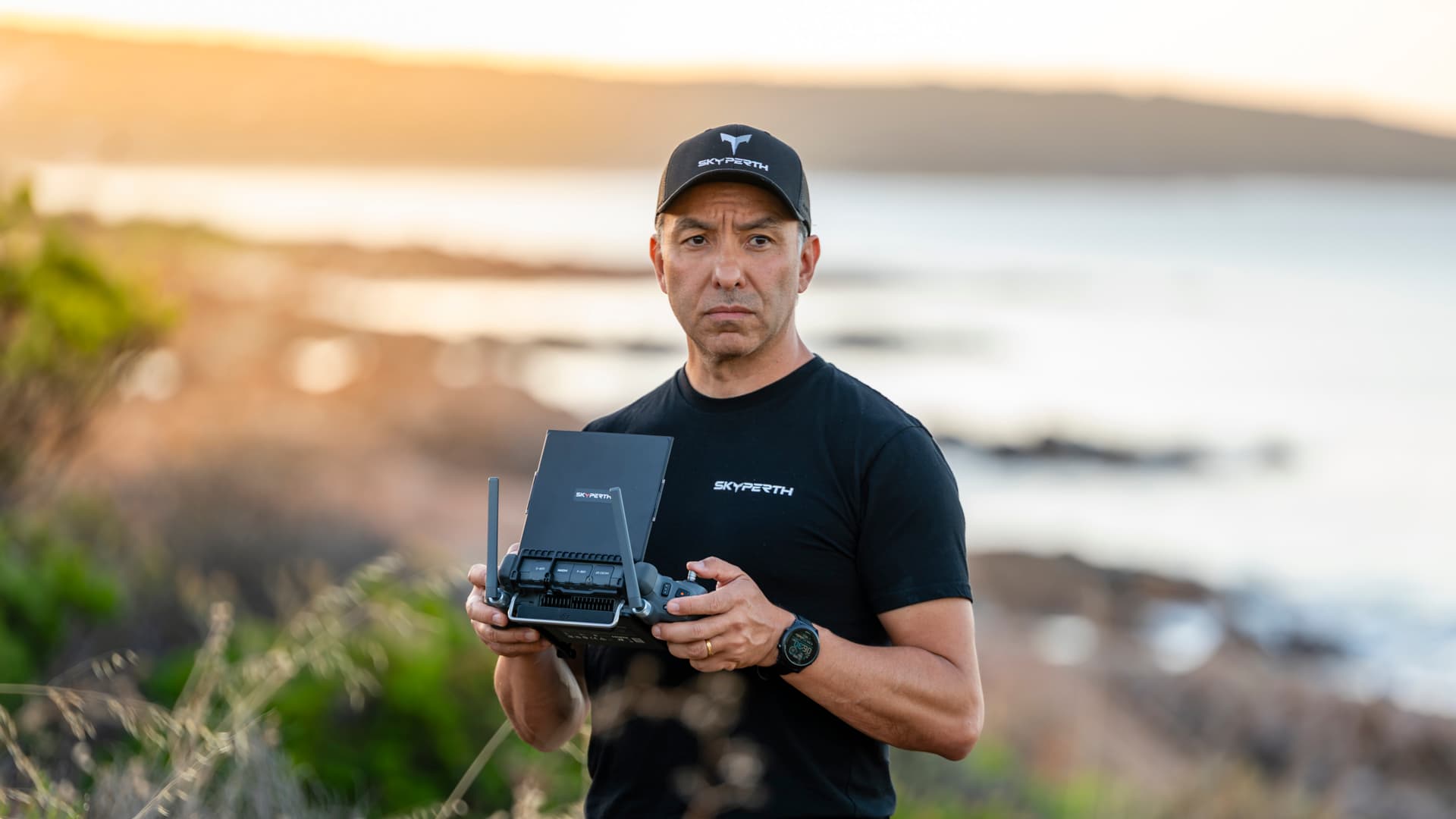
I was conducting a fully certified, pre-approved commercial flight at a public coastal location in Perth. CASA certification current. Insurance active. Airspace checked and clear. Risk assessment completed. Every procedural box ticked. A member of the public approached, aggressively accused me of "spying," threatened to call the police, and attempted to physically interfere with my operation. This is not an isolated experience. Nearly every commercial drone operator I know has a similar story.
The confrontation was unpleasant, but it was also instructive. It revealed how poorly understood drone regulations are among the general public. It highlighted the emotional reactions that drones trigger in some people. And it reinforced the importance of how operators present themselves and communicate with the public during operations.
Why People React This Way
Drones occupy a psychologically uncomfortable space. They fly. They have cameras. They are controlled by someone nearby who may or may not be visible. For people unfamiliar with the regulations and norms around commercial drone operations, a buzzing aircraft with a camera lens pointed in their general direction triggers legitimate privacy and safety concerns.
Add to this the media coverage of drones being used for surveillance, privacy intrusion, and irresponsible recreational flying, and the negative perception is understandable even if misapplied to certified commercial operations. The public does not distinguish between a kid flying a Mini 2 over their backyard and a certified professional conducting an approved commercial operation. To them, it is all "drone" and all concerning.
How Operators Should Handle Confrontations
Stay calm. De-escalate. Do not argue about your legal rights or wave your CASA certificate in someone's face. That approach, however justified, inflames the situation rather than resolving it. Instead, acknowledge their concern, explain briefly what you are doing and why, show them your certification if they are interested, and offer to answer any questions.
I carry a printed card with my ReOC number, insurance details, and a brief explanation of commercial drone operations. Handing this to a concerned person transforms the dynamic. It says "I am a professional, I understand your concern, and I am happy to be transparent." Most confrontations end at this point. The person either accepts the explanation or leaves without further escalation.
If someone becomes aggressive or threatening, do not engage. Land the drone safely, document the interaction, and contact police if necessary. Your safety is more important than completing the flight. We also report significant confrontations to CASA, as they track public perception issues as part of their industry oversight.
What the Industry Needs to Do Better
The drone industry has a collective responsibility to improve public perception. This starts with every operator behaving professionally, flying legally, and engaging respectfully with the community. A single reckless operator at a beach damages public trust for every certified professional in the area. Industry associations, CASA, and individual operators all have roles to play.
Better public education about drone regulations, commercial certification, and the legitimate applications of drone technology would help. Most people are genuinely surprised to learn about the safety systems, insurance requirements, and regulatory oversight that govern commercial drone operations. When they understand the system, their concerns usually diminish.
Moving Forward Professionally
Confrontations are part of the job. They are unpleasant but manageable. The operators who handle them well, calmly, professionally, and with empathy, turn potential conflicts into opportunities to educate and build community trust. The operators who respond defensively or aggressively reinforce the negative perceptions they are trying to counter.
Every professional interaction with the public is an opportunity to shape perception of our entire industry. We take that responsibility seriously at Aguia Studio. Browse our portfolio to see the kind of work that professional, certified drone operations produce, and get in touch if you need an operator who represents the industry at its best.